
Museums, biennials, and contemporary art
What a museum owns and who is asking for it back, where a Sol LeWitt wall drawing is, and what remains of 736 hours in a chair. Articles on the museum as an institution and on the four units of contemporary art: why there are hundreds of biennials, and what the buyer of a USD 69 million NFT bought.
Articles

What the buyer of a USD 69 million NFT bought
On 11 March 2021 Christie's sold a JPEG for USD 69,346,250. The buyer received a line in a ledger that names him as the holder of token 40913. The file it points to can be downloaded by anyone, and the copyright stayed with the artist. Here is the lot page read line by line.
Why there are several hundred biennials
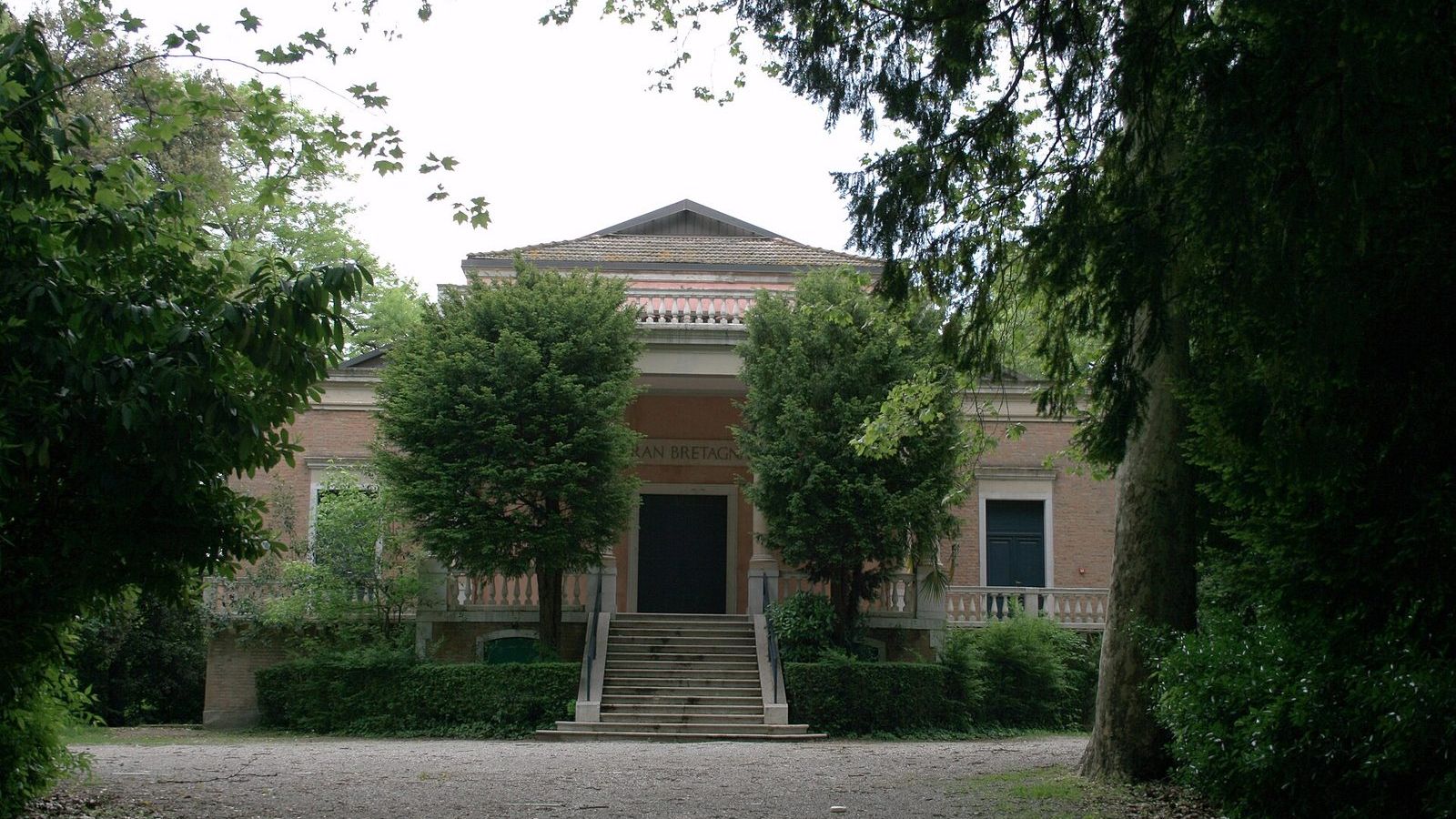
Venice opened its first international art exhibition in 1895 with regattas and fireworks. A century later cities on every continent were founding exhibitions on the same two-year rhythm, and nobody keeps a full count. Here is how the form spread and what each city wanted from it.
736 hours in a chair
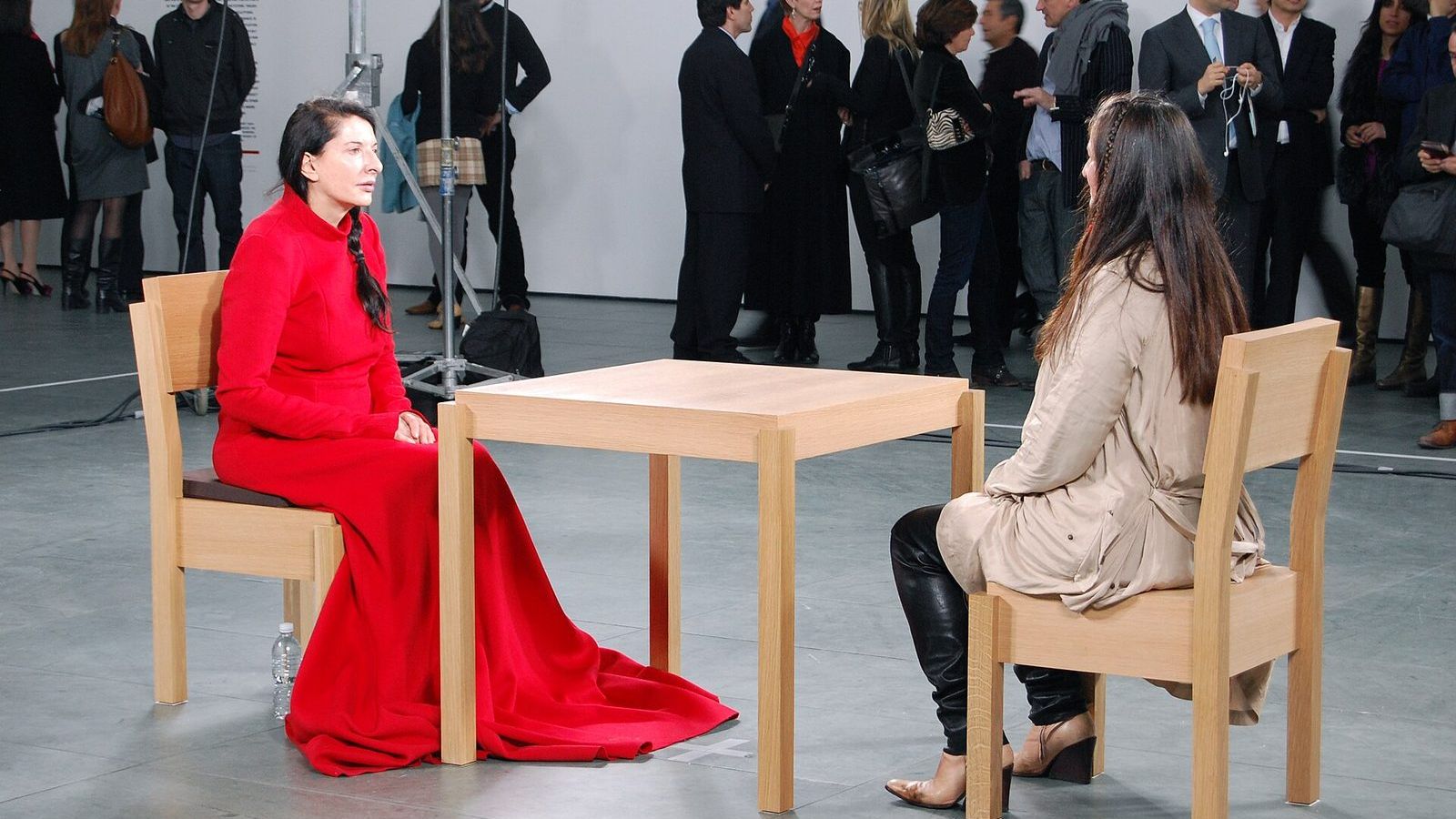
From 14 March to 31 May 2010 Marina Abramović sat in the atrium of the Museum of Modern Art and looked at whoever sat down opposite her. The museum counted 736 hours and 30 minutes, and a photographer counted 1,545 sitters. What was the work, and what is left of it?

Where is a Sol LeWitt wall drawing?
A museum that buys a wall drawing by Sol LeWitt receives a sheet of instructions, sometimes a diagram, and a certificate, and no drawing. Other people draw it on the wall, and the wall is painted over when the show ends. Here is where the work is.
What a museum owns and who is asking for it back
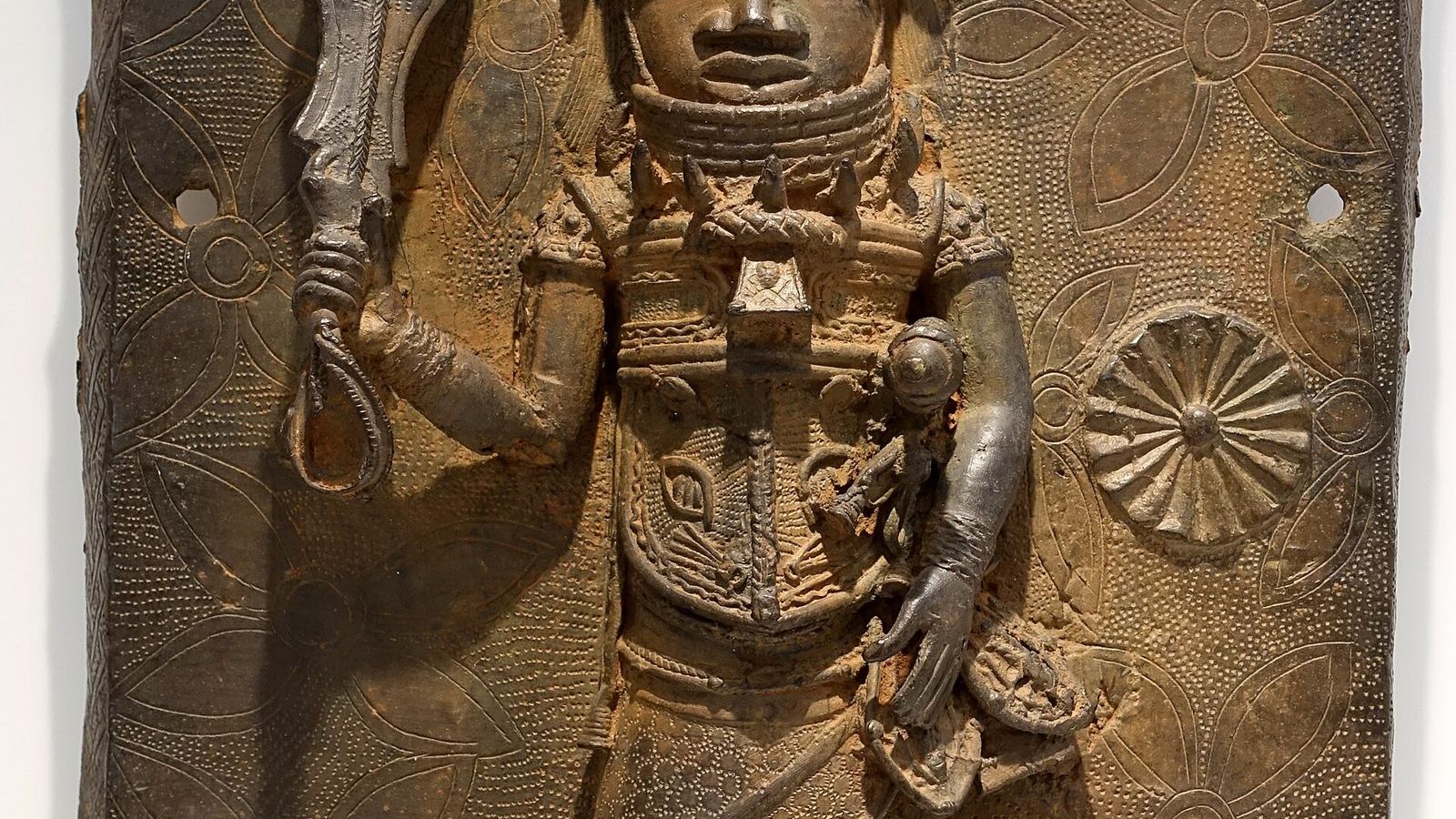
In February 1897 a British force took several thousand objects from the royal palace of Benin. They are now in more than 130 museums. Here is how they got there, what a French report of 2018 counted, and what has been returned since.
What a Renaissance contract says about the price of blue
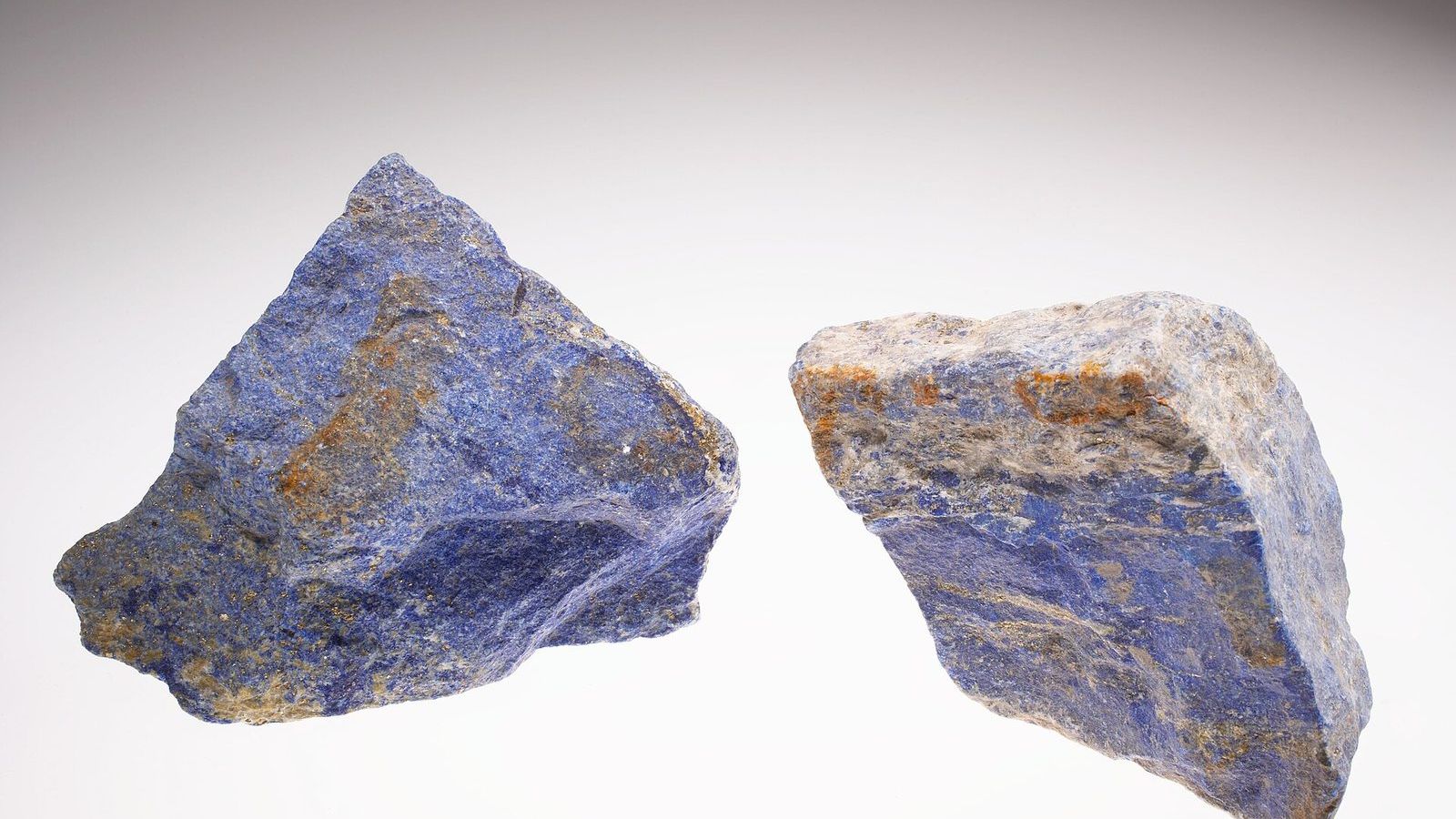
On 28 October 1485 a Florentine painter signed a contract for an altarpiece. It fixed the delivery date, the fee, and the price of the blue, ounce by ounce. Here is what the document says and what it tells us about how paintings were valued.
How to look at a painting for an hour
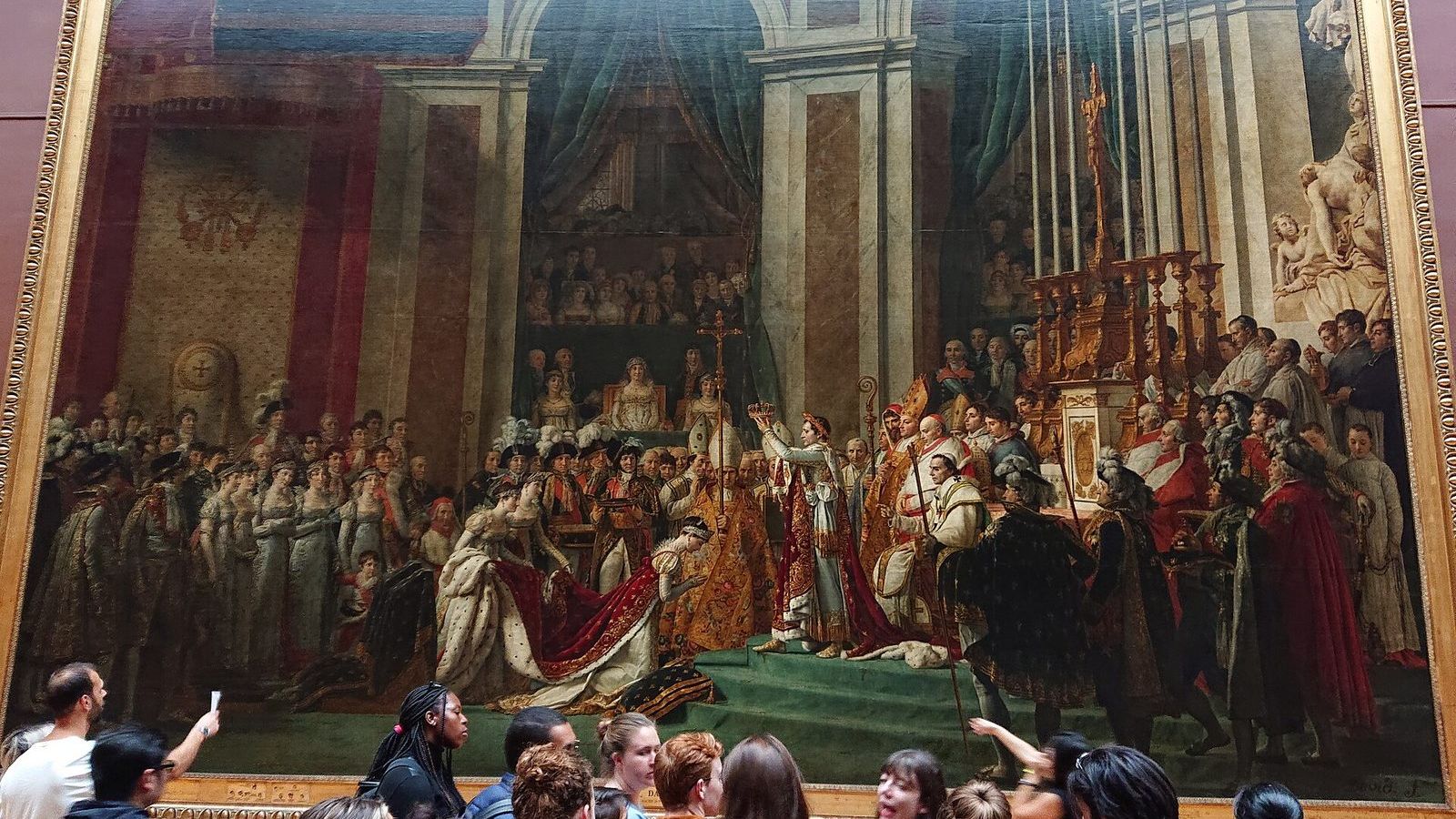
Museum visitors spend about half a minute in front of a painting. A Harvard professor makes her students spend three hours. Here is what the numbers say, what the three hours find, and a method you can use on your next visit.
Were Greek statues white?
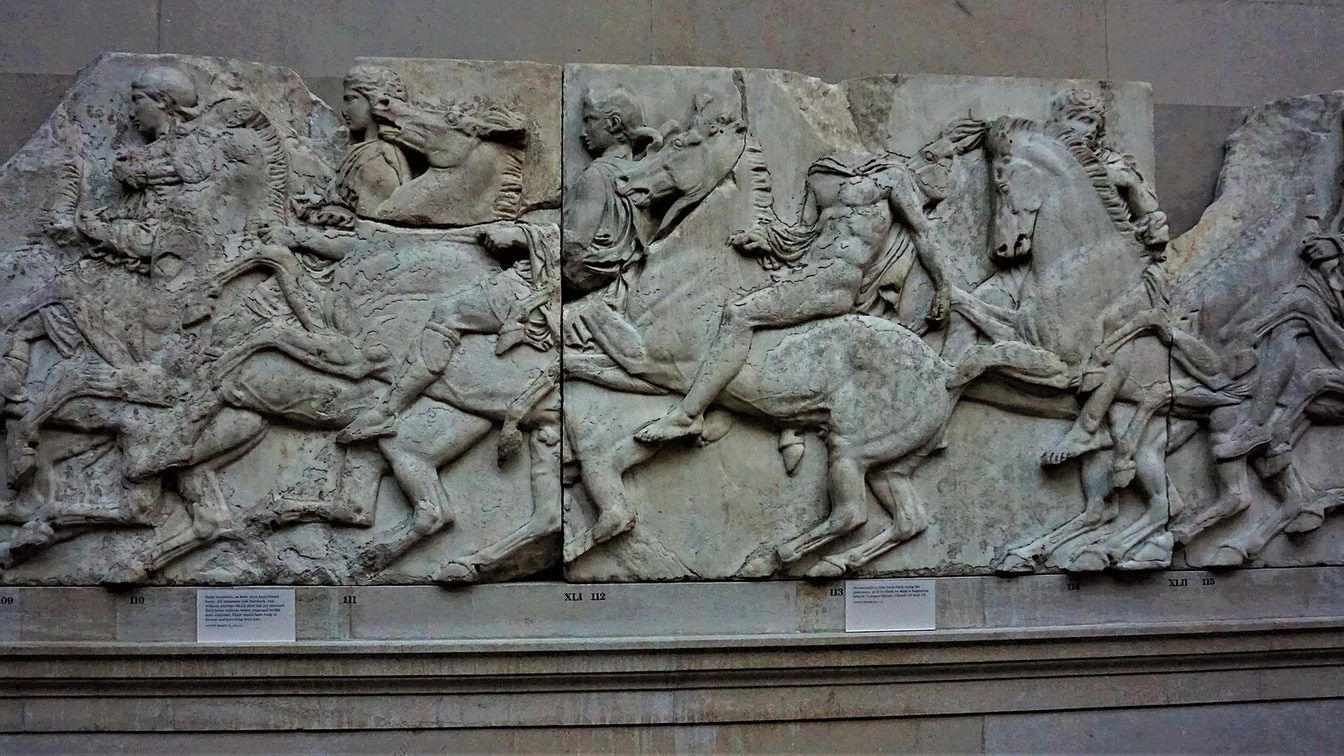
No. They were painted, and the proof is now visible: a pigment called Egyptian blue glows in the infrared, and in 2023 a team found it, with other colours, on the Parthenon sculptures in the British Museum.
Why the Night Watch is smaller than Rembrandt painted it
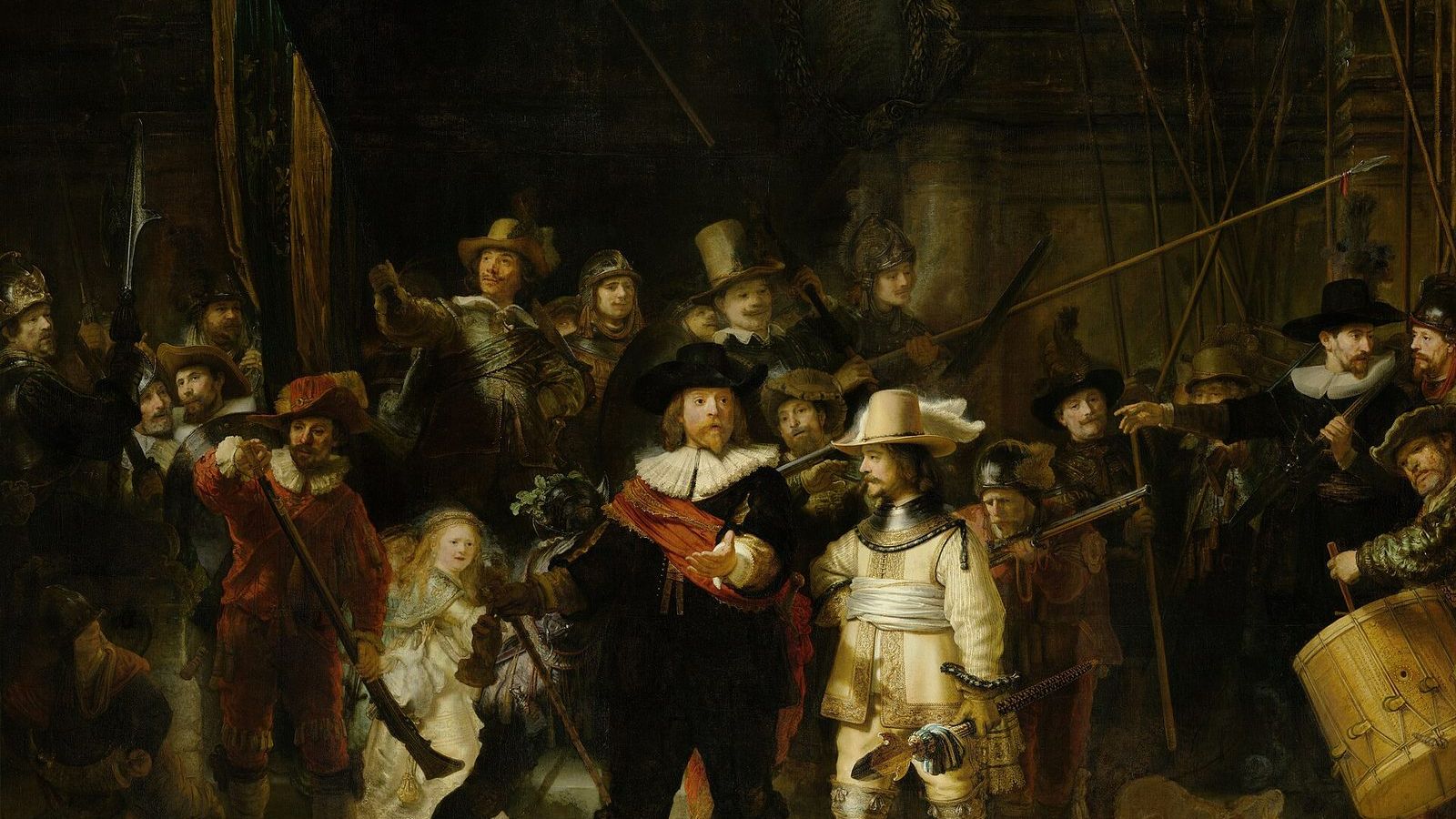
In 1715 Rembrandt's largest painting was cut on all four sides to fit a wall in Amsterdam's town hall. The strips were never found. Here is what was lost, how we know, and how the museum put it back in 2021.
In the masterclass
Patrons, Collectors, and Museums
Who paid for art, who kept it, and how the museum came to decide what we see
Minimalism and Conceptual Art
The decade from about 1963 to 1973 in which the art object was reduced to a thing and then to an idea
Performance and the Body
Art made with and on the body, from the Futurist evening to the re-performance in the museum
Biennials and a Global Art World
How the exhibition became the work's main habitat and the art world became a world
Art in the Age of Screens
Art made for, with, and about screens, and where a reader can go from here