
Old Masters under examination
Why the Night Watch is smaller than Rembrandt painted it, how a Vermeer was examined without touching it, and how Han van Meegeren fooled the experts. Articles on the technical study of paintings from the Baroque to the nineteenth century: what X-rays and infrared find under the paint, and whether Monet's cataracts changed his colours.
Articles
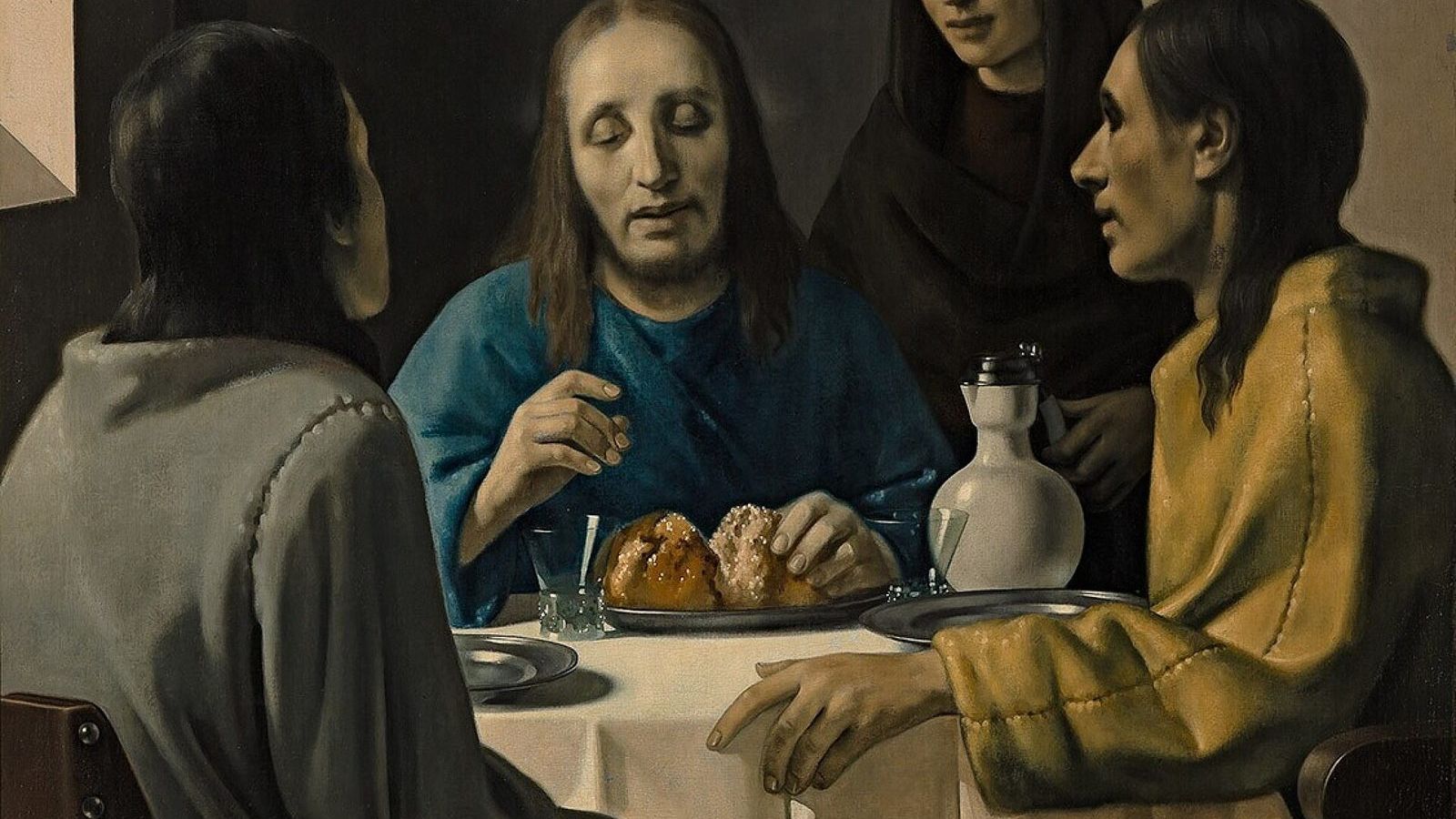
How Han van Meegeren fooled the experts
In 1937 the greatest Vermeer scholar of his day announced a new Vermeer, and a Rotterdam museum paid a fortune for it. Eight years later the man who painted it confessed, and had to paint another one in a police cell to be believed.
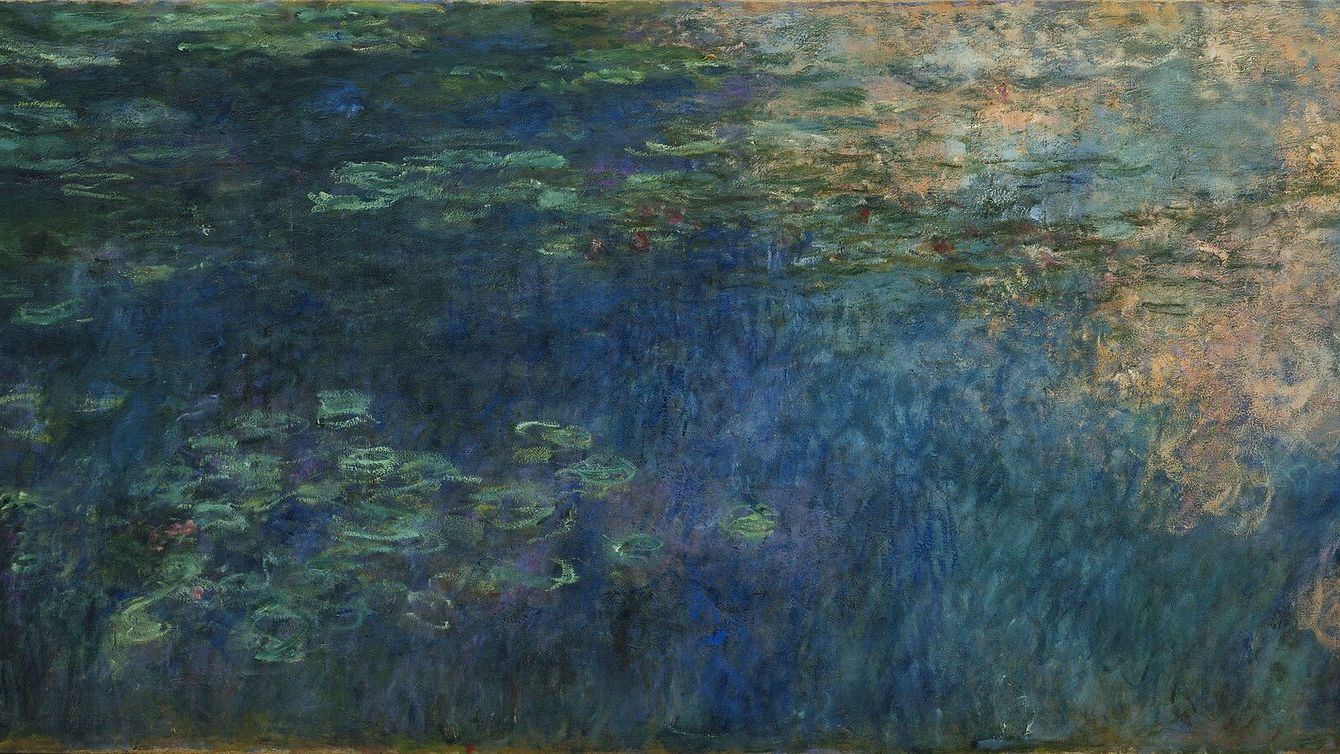
Did Monet's cataracts change his colours?
In his last decade Monet's water lilies turned brown, red, and muddy, and after an eye operation in 1923 they turned blue. An ophthalmologist simulated what he saw. Here is what the simulation shows and where it stops.
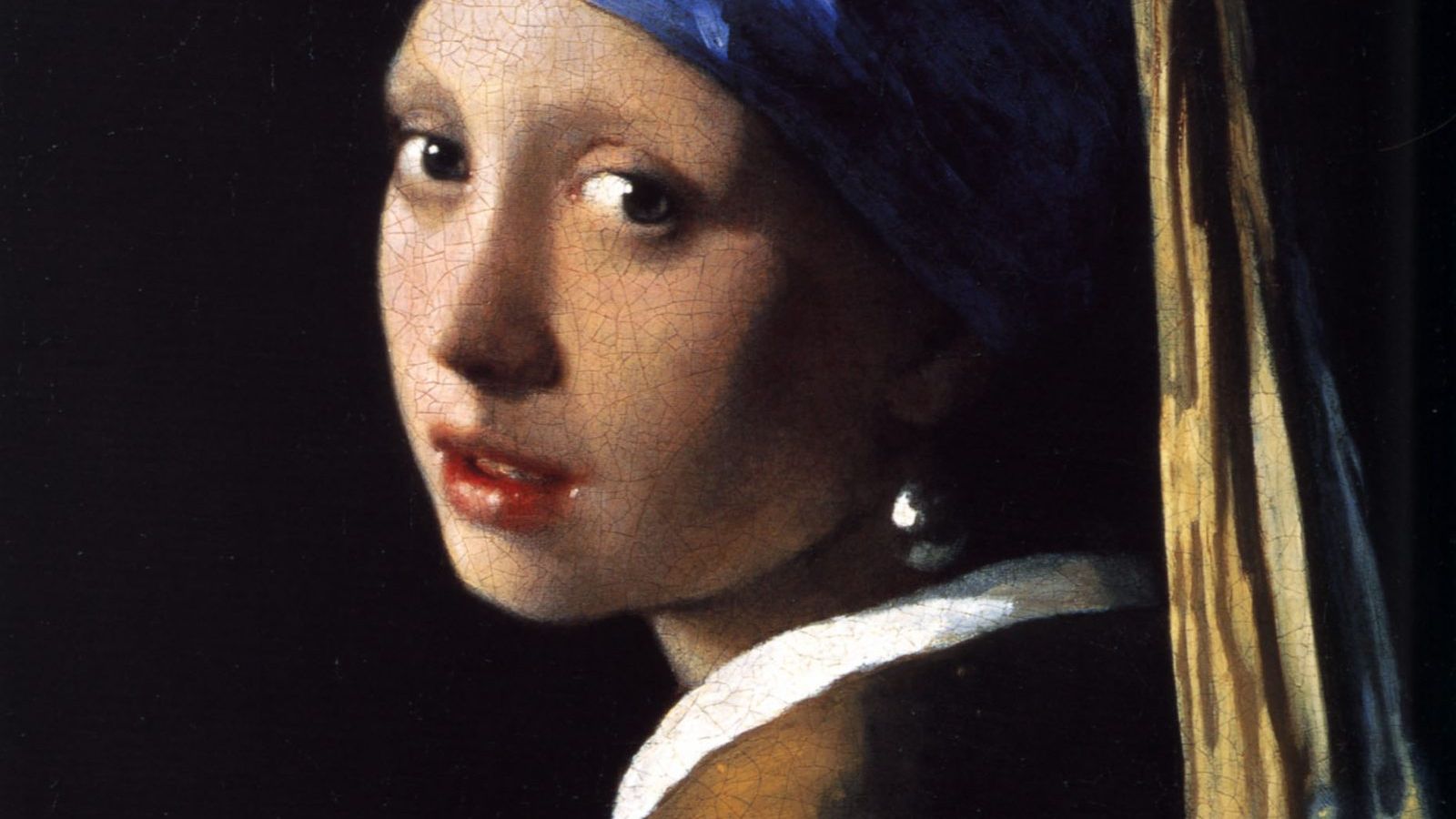
How a Vermeer was examined without touching it
In February 2018 the Mauritshuis put Girl with a Pearl Earring in a glass studio and let scientists scan it for two weeks. They found a green curtain, eyelashes, and a pearl that is not a pearl. Here is what the instruments did.
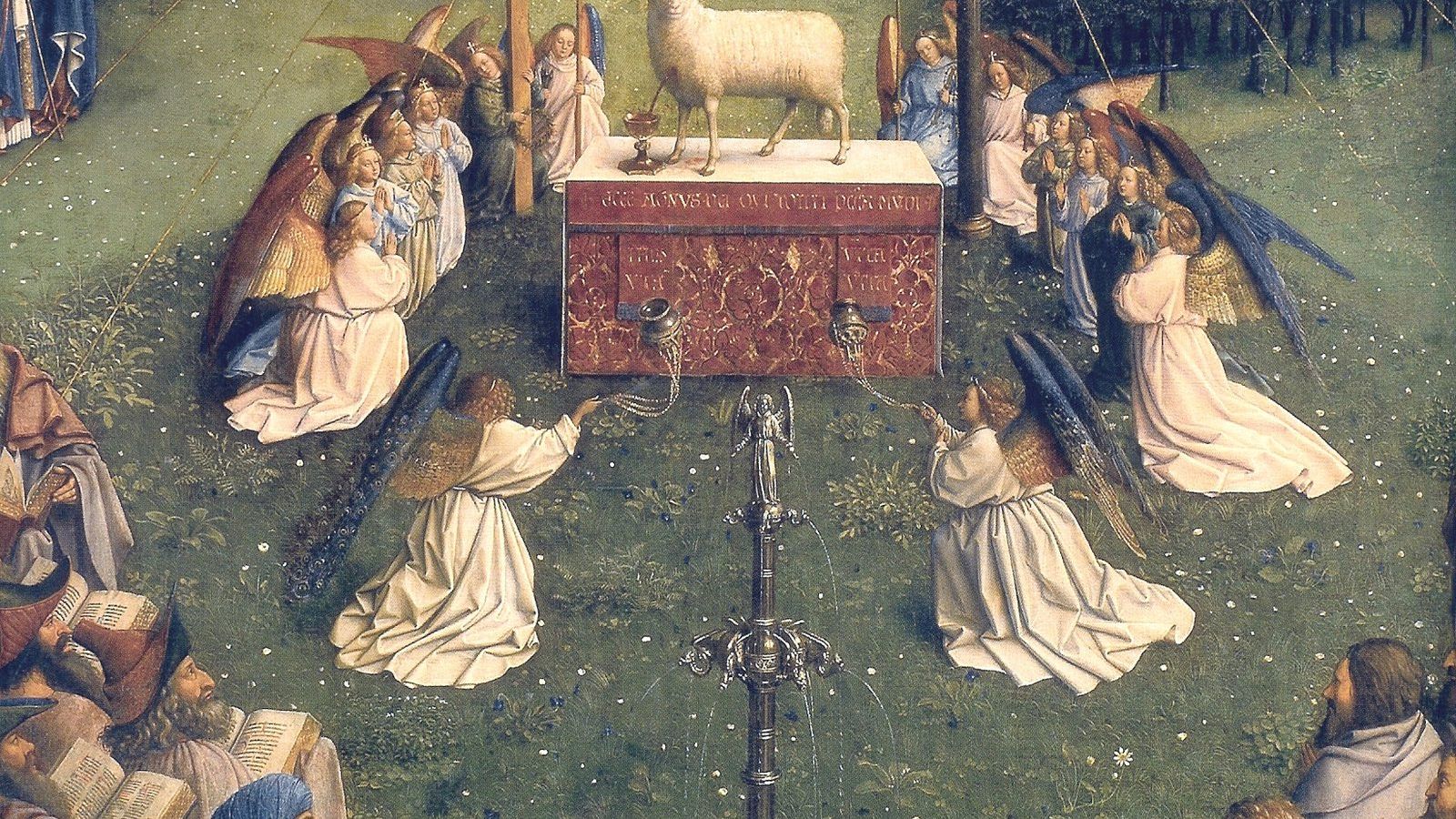
The Lamb in the Ghent Altarpiece looks back
For four centuries the Lamb at the centre of the Van Eycks' altarpiece had the placid face of a sheep. In 2019 conservators removed the sixteenth-century overpaint and found the face the brothers painted, with two forward-looking eyes.
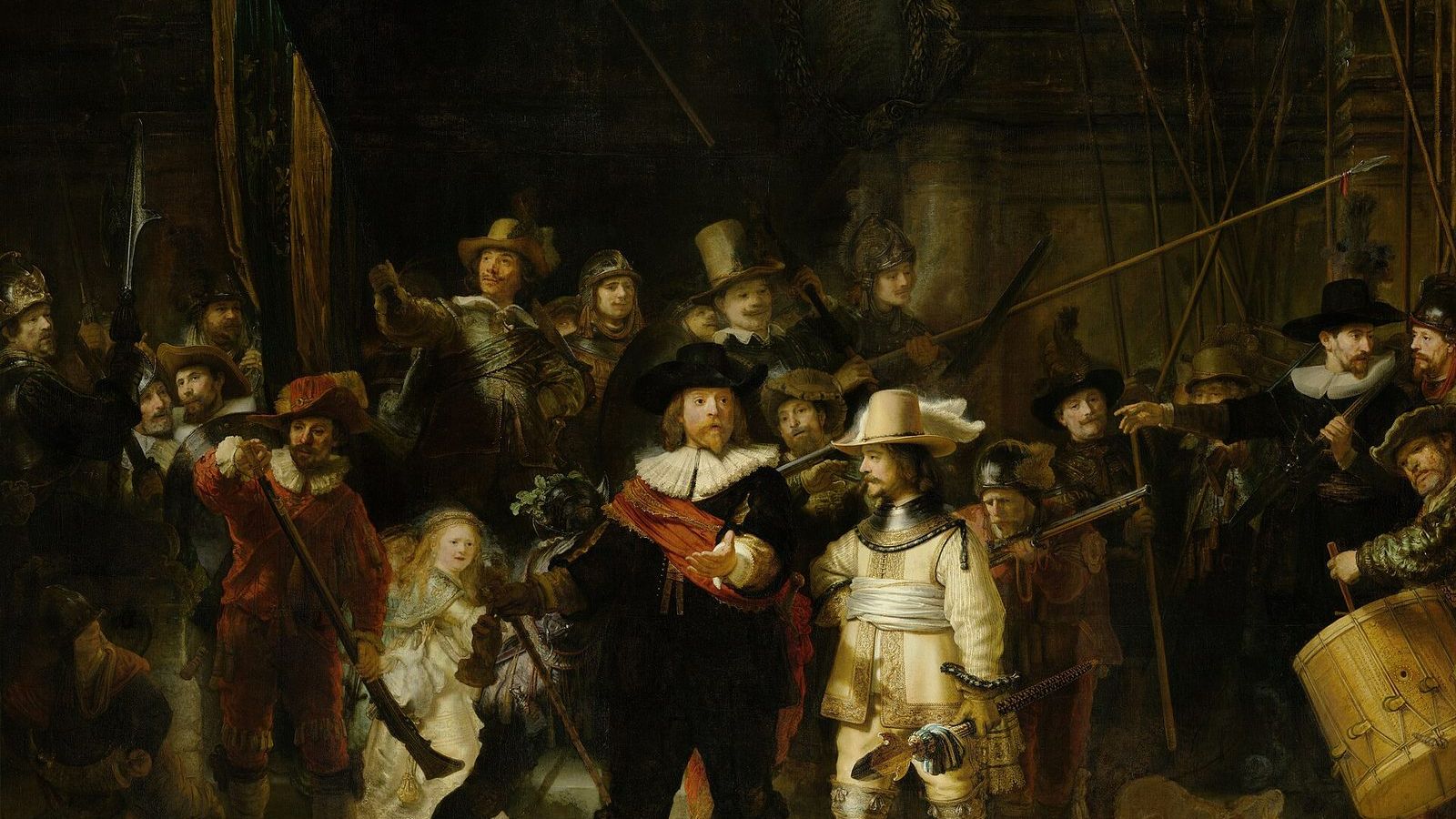
Why the Night Watch is smaller than Rembrandt painted it
In 1715 Rembrandt's largest painting was cut on all four sides to fit a wall in Amsterdam's town hall. The strips were never found. Here is what was lost, how we know, and how the museum put it back in 2021.
In the masterclass
Baroque Art and the Dutch Golden Age
The seventeenth century in two systems: the courts and churches that commissioned, and the Dutch cities that bought
Painting Modern Life
Paris from the Revolution to Van Gogh, told through the institutions and the eye
Patrons, Collectors, and Museums
Who paid for art, who kept it, and how the museum came to decide what we see