Art History Masterclass 12-Week Program
in Art History

Study the great works of world art one unit per week, and learn to read a painting the way art historians do.

  • Certificate
  • Online
  • Join a community of 2500+

Scroll to look closer at two details

  1. The moon and the skyDetail 1
  2. The cypressDetail 2
Vincent van Gogh The Starry Night, June 1889 Oil on canvas. Museum of Modern Art, New York Public domain, Wikimedia Commons
Detail of the crescent moon in the upper right corner, wrapped in rings of yellow and pale green strokes, with a haloed star to its left and blue strokes curling around both

Vincent van Gogh The Starry Night, June 1889, detail Museum of Modern Art, New York

Detail 1 of 2

The moon and the sky

Van Gogh painted this canvas in June 1889 at the asylum in Saint-Rémy-de-Provence, where he had admitted himself the month before. The view is the one from his bedroom window, looking east towards the hills, but he painted it by day in his studio, partly from memory and partly from imagination. The village below is largely invented.

Short, thick strokes curl into spirals across the sky, and rings of yellow and white surround the moon and the stars, so the light seems to pulse. A few weeks earlier he had written to his brother Theo that he had watched the countryside from his window before sunrise, with nothing but the morning star, which looked very big.

Detail of the top of the cypress, a dark flame-like shape of green and brown strokes rising into the blue sky between haloed stars

Vincent van Gogh The Starry Night, June 1889, detail Museum of Modern Art, New York

Detail 2 of 2

The cypress

A dark cypress rises from the bottom edge of the canvas almost to the top, built from long strokes of green and brown that flicker like a flame. It is the largest form in the picture, and it reaches from the ground up into the stars.

That summer Van Gogh painted cypresses again and again, and wrote to Theo that no one had yet painted them as he saw them. In the cemeteries of the south the tree stood for mourning, and the symbolism of the time linked it with death and with eternity. His own letters speak of its lines and proportions, which he compared to an Egyptian obelisk.

Two details out of many. Every unit looks this closely at the works it covers, and you can read one complete unit before you enrol.

Read the sample unit

Our alumni study at

  • Massachusetts Institute of Technology
  • Harvard University
  • Stanford University
  • California Institute of Technology
  • Princeton University
  • University of Oxford
  • ETH Zurich
  • Imperial College London
  • University of California, Berkeley
  • University of Chicago
  • Yale University
  • Columbia University
  • Technical University of Munich
  • University of Toronto
  • University of Tokyo
  • EPFL
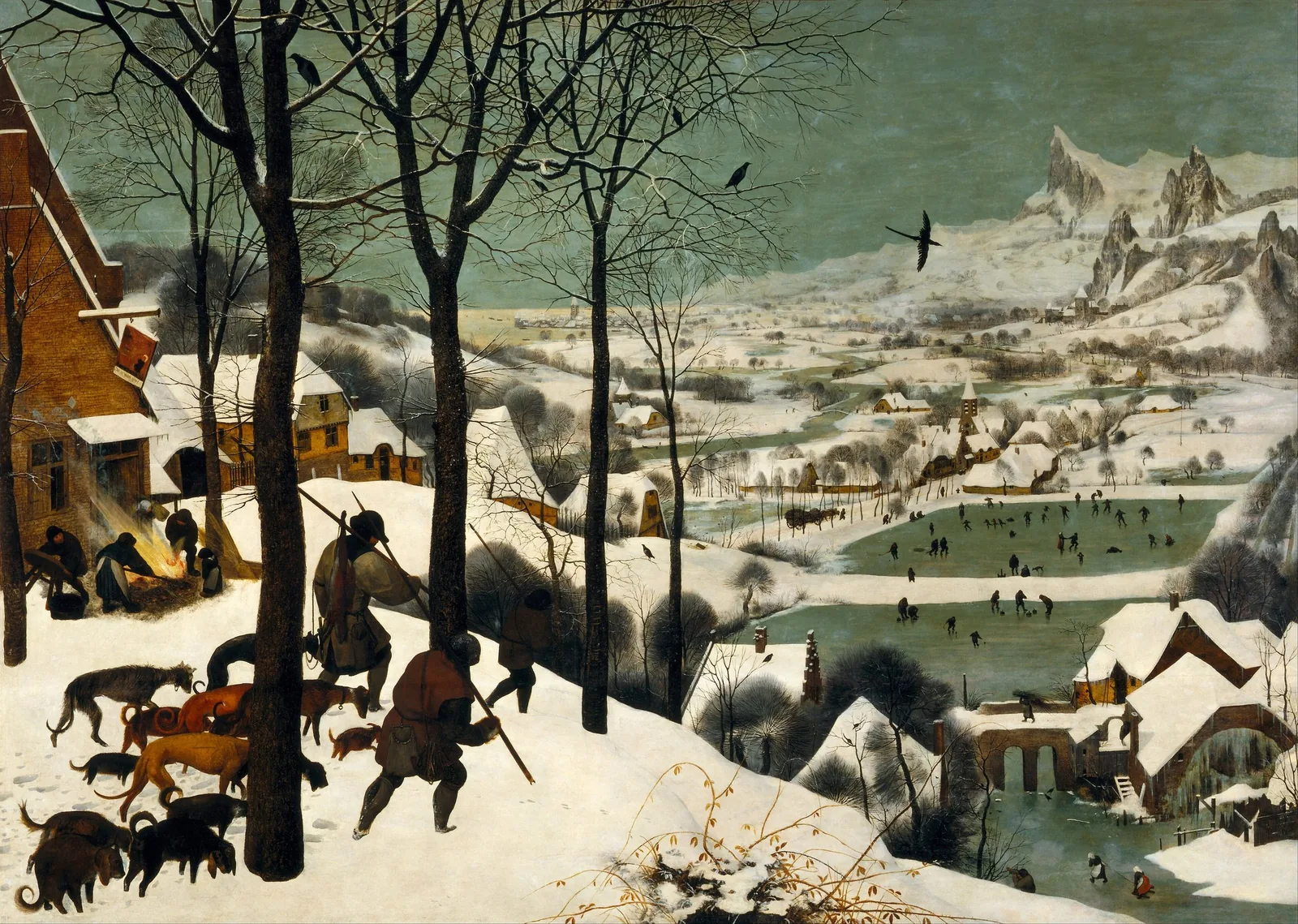
Pieter Bruegel the Elder, The Hunters in the Snow, 1565: hunters and dogs above a frozen valley with skaters. Kunsthistorisches Museum, Vienna
Pieter Bruegel the ElderThe Hunters in the Snow, 1565Kunsthistorisches Museum, ViennaPublic domain, Wikimedia Commons

About the program

The Art History Masterclass takes you through the history of art one unit at a time. You enrol, and from then on a new unit reaches you every week. Each unit is a chapter written for this program, with close readings of real works, primary sources such as contracts and letters, and the research of art historians and conservation scientists who are active today.

A quiz completes every unit and opens the next. At the end you sit a final exam and receive an official certificate.

  • Structured. A fixed curriculum that starts with the tools of looking and ends with the art of the present.
  • Demanding and fair. Real works, real documents, and real disagreements between scholars, with every step of an interpretation shown.
  • Recognised. An official certificate and transcript with a public verification page.
How the program works

Who is this program for?

For high school students, university students, and lifelong learners. You do not need to have studied art or history: Unit 1 gives every participant the same tools.

High School Students

You love museums, you draw, or you plan to study art history, history, or architecture. The masterclass prepares you for university applications and for essays and exams about art.

  • No prior knowledge needed
  • Certificate for applications
  • Write about a painting with confidence

University Students

A supplement to a degree in art history, history, architecture, or design. Use it to fill gaps in periods you have not covered or to prepare a first research essay.

  • Close readings and primary sources
  • Current research papers
  • A base for a first research essay

Lifelong Learners

You plan your travels around museums, you paint as a hobby, or you want to know why a famous picture is famous. The masterclass takes you through the history of art step by step.

  • No deadlines, pause any time
  • Every work shown in detail
  • Read on screen or as PDF

How does it work?

From enrolment to certificate in six steps.

  1. Enrol

    Create your account with your email address, choose your masterclass, and pay the Tuition Fee. Your program starts at once.

  2. Receive your unit

    Unit 1 arrives immediately, every further unit on a Monday: as a web page and as a PDF to keep.

  3. Study

    Work through the text, the close readings, and the details of the works. A day later we send further reading with current research papers.

  4. Take a quiz for every unit

    Each unit has its own quiz: ten questions, open book, no time limit. You submit it before the next unit is sent to you.

  5. Sit the final exam

    50 questions across all units of your masterclass in 60 minutes, open book. Pass with 70%.

  6. Earn your certificate

    Certificate and transcript as PDF, each with a verification ID and a personal link you can share.

Topics

Sixteen units in three groups, from the tools of looking to the art of the present. Every masterclass starts with Unit 1 and runs in order.

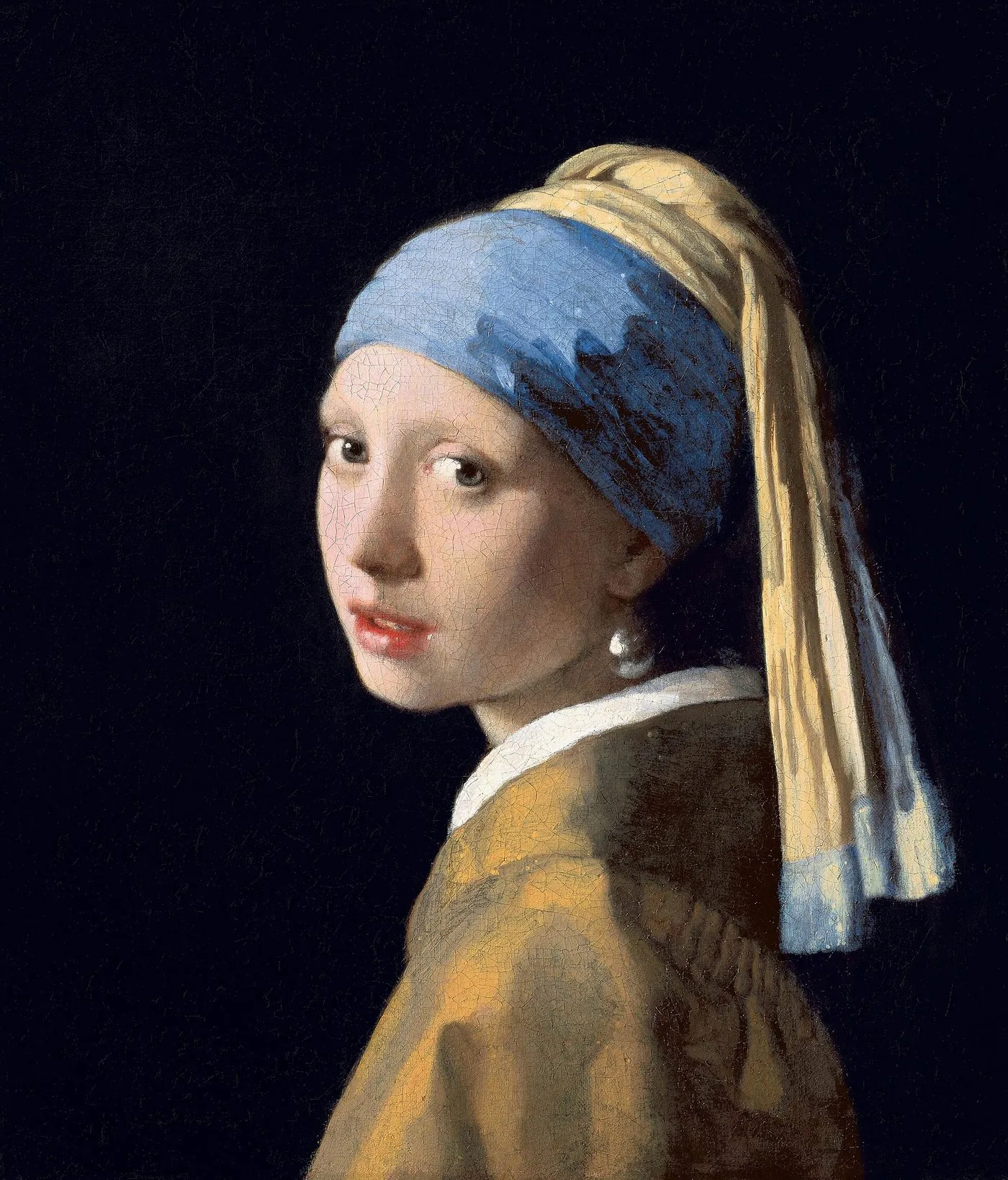
Johannes Vermeer, Girl with a Pearl Earring, about 1665: a girl in a blue and yellow turban turning towards the viewer. Mauritshuis, The Hague
Johannes VermeerGirl with a Pearl Earring, about 1665Mauritshuis, The HaguePublic domain, Wikimedia Commons

Units 1 to 8

The Great Periods

How to look at a work and describe it, then Greek sculpture, medieval manuscripts and icons, the Renaissance in Italy and the Low Countries, the Baroque, Impressionism, and the modernists.

  1. The Tools of Art History
  2. Greek and Roman Art
  3. Medieval Art and the Sacred Image
  4. The Italian Renaissance
  5. Oil Paint and the Northern Renaissance
  6. Baroque Art and the Dutch Golden Age
  7. Painting Modern Life
  8. Modernism and the Story of Art
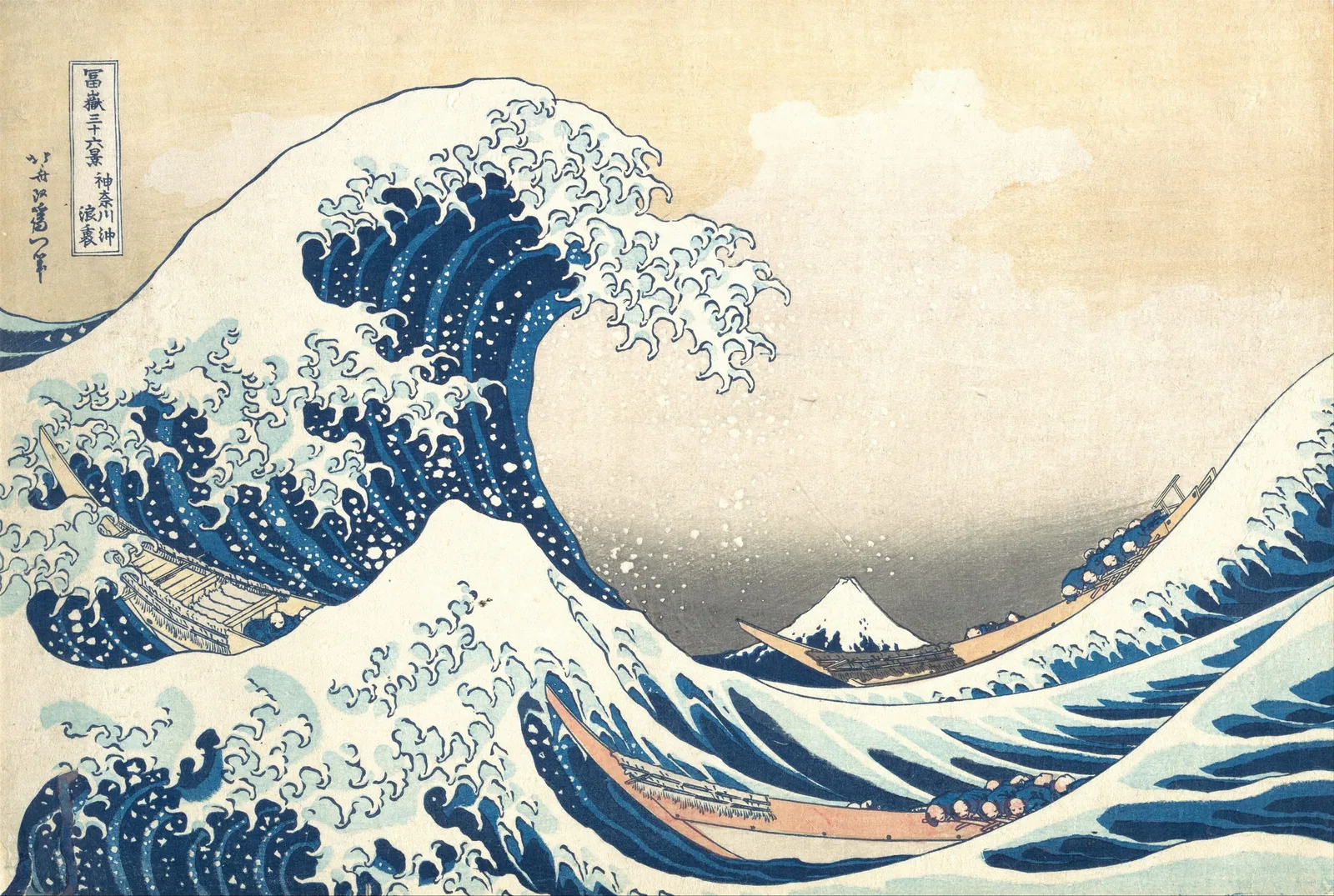
A great wave in Prussian blue curls over three boats, with Mount Fuji small in the distance: Hokusai's Under the Wave off Kanagawa from the Thirty-six Views of Mount Fuji, about 1830 to 1832, colour woodblock print, Metropolitan Museum of Art, New York.
Katsushika HokusaiUnder the Wave off Kanagawa (The Great Wave), about 1831Colour woodblock printPublic domain, Wikimedia Commons

Units 9 to 12

Wider Worlds

Ink painting and woodblock prints in China and Japan, the geometry and calligraphy of Islamic art, the patrons and museums who decided what was made and kept, and art since 1945.

  1. Ink and Brush in China and Japan
  2. Islamic Art and Architecture
  3. Patrons, Collectors, and Museums
  4. Art since 1945
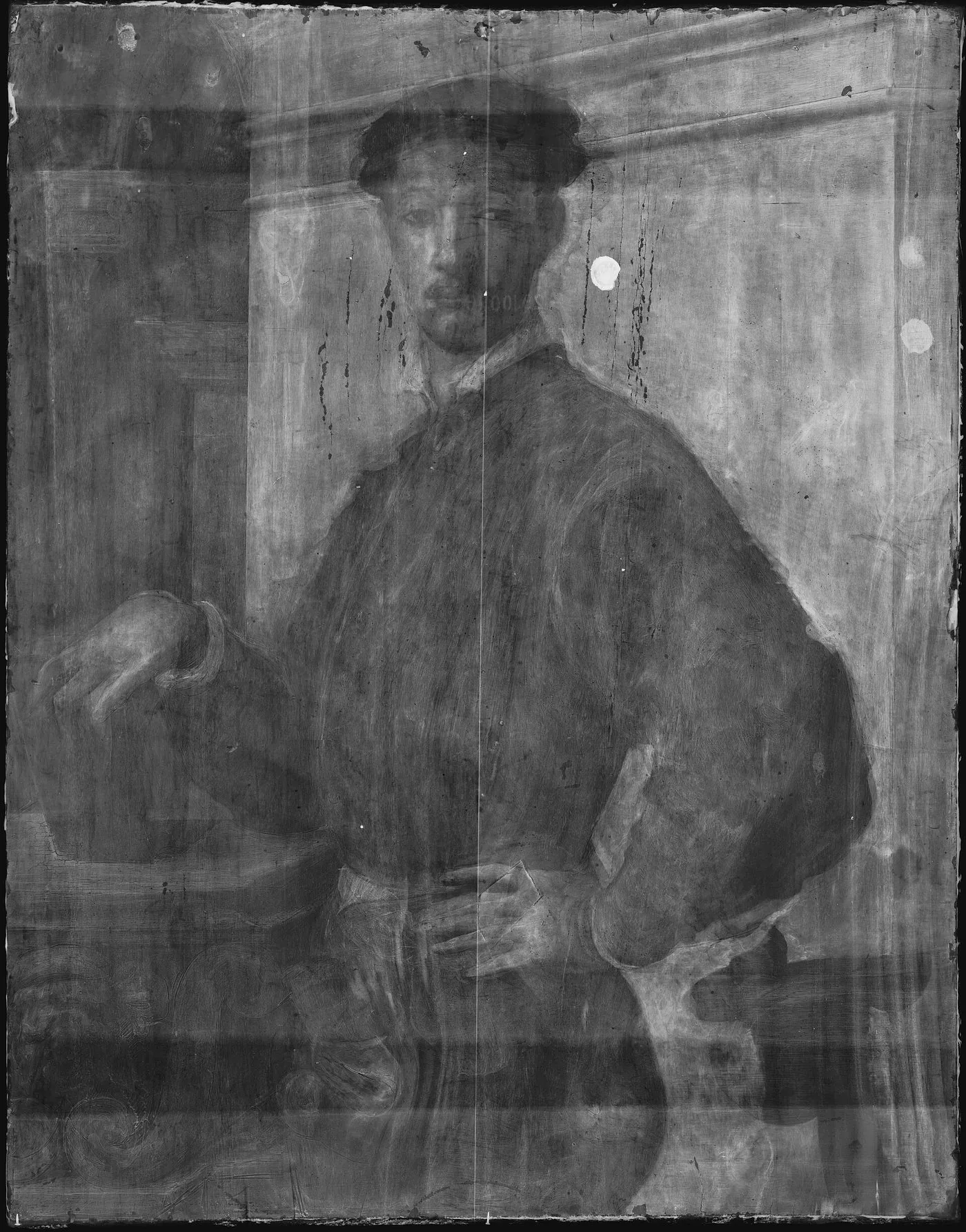
X-radiograph of Bronzino's Portrait of a Young Man, 1530s, showing the paint layers and changes beneath the surface. Metropolitan Museum of Art, New York
X-radiographBronzino, Portrait of a Young Man, 1530sMetropolitan Museum of Art, New YorkCC0, Wikimedia Commons

Units 13 to 16

Contemporary Art

The art of the last sixty years: Minimal objects and Conceptual instructions, performance and the body, the biennials of a global art world, and works made for screens.

  1. Minimalism and Conceptual Art
  2. Performance and the Body
  3. Biennials and a Global Art World
  4. Art in the Age of Screens

Full curriculum

Research presented in the program

Every unit contains a research spotlight: the published work of an art historian or conservation scientist active today, explained at your level and linked to the original book or paper.

The scientists named here are not contributors to the AH Masterclass, are not affiliated with it, and have not endorsed it. The program presents and explains their published research, with references to the original papers.

All research spotlights

Tuition Fee

Choose the masterclass that fits you. One Tuition Fee, paid once, covers all units, quizzes, the final exam, and your certificate.

8 weeks

Foundation

The fundamentals of art history: the tools of looking, then Greece and Rome, the medieval image, the Renaissance, the Baroque, modern Paris, and modernism.

Tuition Fee$35$39
Enrol in Foundation
  • 8 weekly units as web page and PDF
  • Quiz and further reading for every unit
  • Final exam, certificate, and transcript
Topics in this program
  1. 01
    The Tools of Art History
  2. 02
    Greek and Roman Art
  3. 03
    Medieval Art and the Sacred Image
  4. 04
    The Italian Renaissance
  5. 05
    Oil Paint and the Northern Renaissance
  6. 06
    Baroque Art and the Dutch Golden Age
  7. 07
    Painting Modern Life
  8. 08
    Modernism and the Story of Art
  9. 09
    Ink and Brush in China and Japan
  10. 10
    Islamic Art and Architecture
  11. 11
    Patrons, Collectors, and Museums
  12. 12
    Art since 1945
  13. 13
    Contemporary ArtMinimalism and Conceptual Art
  14. 14
    Contemporary ArtPerformance and the Body
  15. 15
    Contemporary ArtBiennials and a Global Art World
  16. 16
    Contemporary ArtArt in the Age of Screens
16 weeks

Advanced + Contemporary Art

The full program plus four units on contemporary art: Minimalism and Conceptual art, performance, biennials, and art in the age of screens.

Tuition Fee$85$119
Enrol in Advanced + Contemporary Art
  • 16 weekly units as web page and PDF
  • Quiz and further reading for every unit
  • Final exam, certificate, and transcript
Topics in this program
  1. 01
    The Tools of Art History
  2. 02
    Greek and Roman Art
  3. 03
    Medieval Art and the Sacred Image
  4. 04
    The Italian Renaissance
  5. 05
    Oil Paint and the Northern Renaissance
  6. 06
    Baroque Art and the Dutch Golden Age
  7. 07
    Painting Modern Life
  8. 08
    Modernism and the Story of Art
  9. 09
    Ink and Brush in China and Japan
  10. 10
    Islamic Art and Architecture
  11. 11
    Patrons, Collectors, and Museums
  12. 12
    Art since 1945
  13. 13
    Contemporary ArtMinimalism and Conceptual Art
  14. 14
    Contemporary ArtPerformance and the Body
  15. 15
    Contemporary ArtBiennials and a Global Art World
  16. 16
    Contemporary ArtArt in the Age of Screens

Tuition fees are one-time payments and include applicable taxes. Secure payment by card through Stripe.

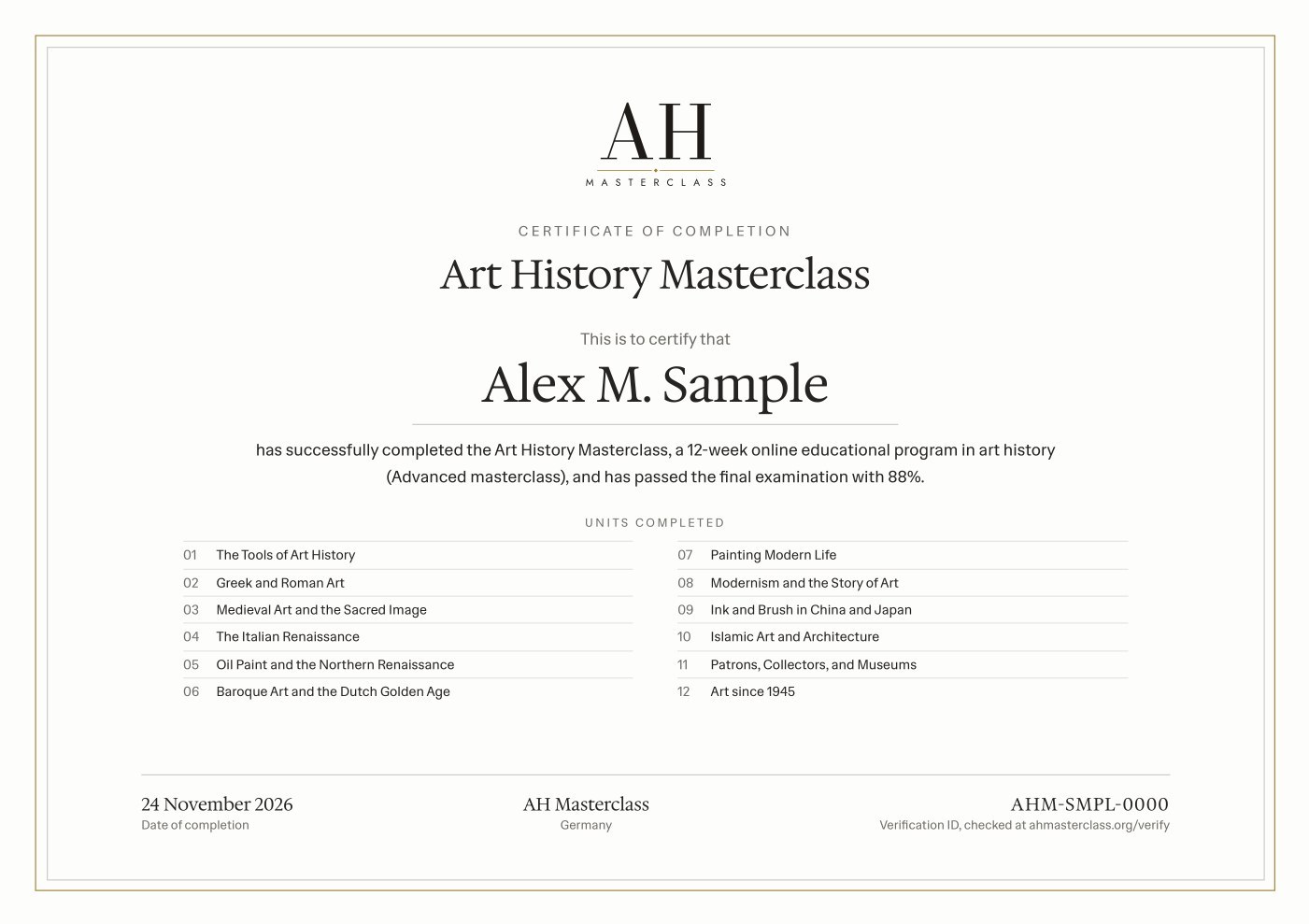
Sample certificate of the Art History Masterclass
Sample certificateIssued as PDF, with a transcript

Your certificate

Participants who pass the final exam receive an official certificate of completion. It states your name, the masterclass, its duration, and the units you completed.

  • Certificate and transcript. The transcript lists your score in every unit quiz and in the final exam.
  • Verifiable. Both documents carry a verification ID that can be checked on this website.
  • Shareable. Your personal verification link shows your result to universities, museums, and employers.
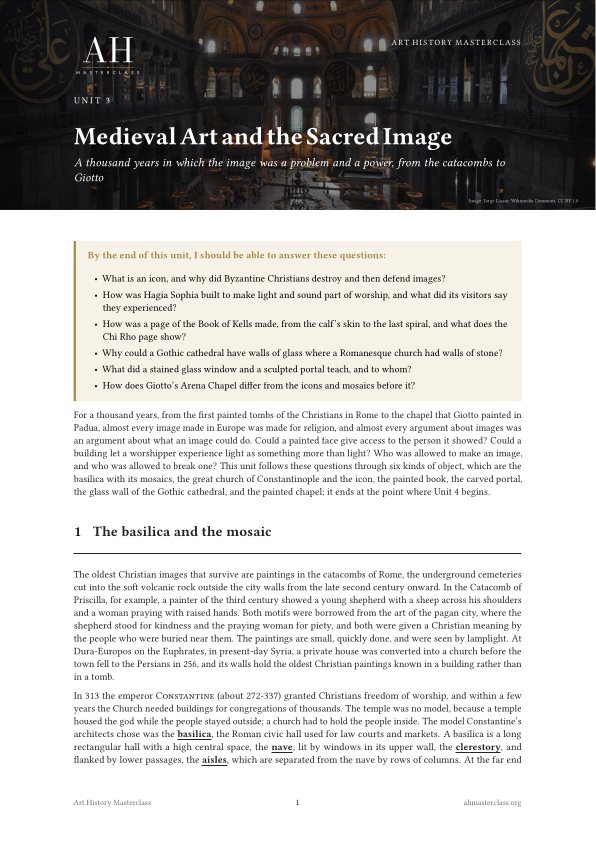
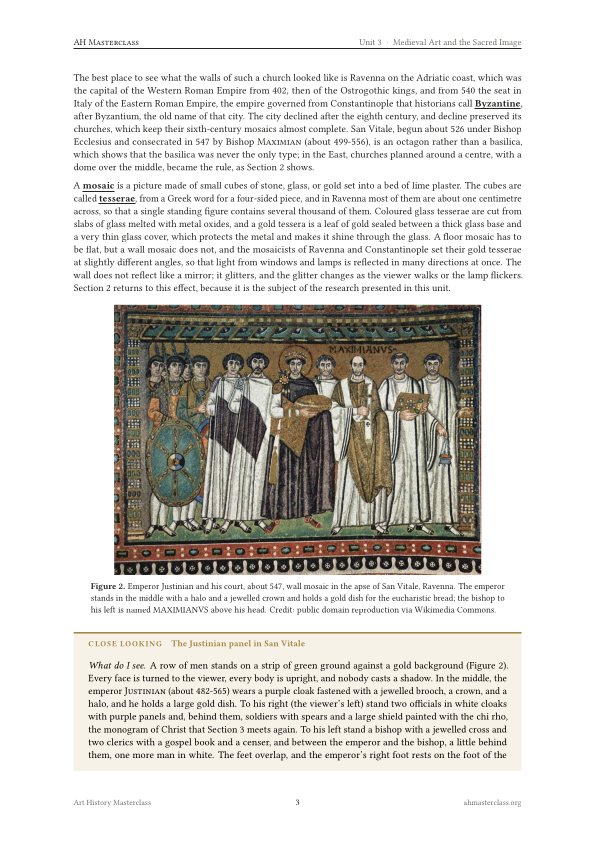
First page of Unit 3: Medieval Art and the Sacred Image
Unit 3, pages 1 to 3A thousand years in which the image was a problem and a power, from the catacombs to Giotto

Sample unit

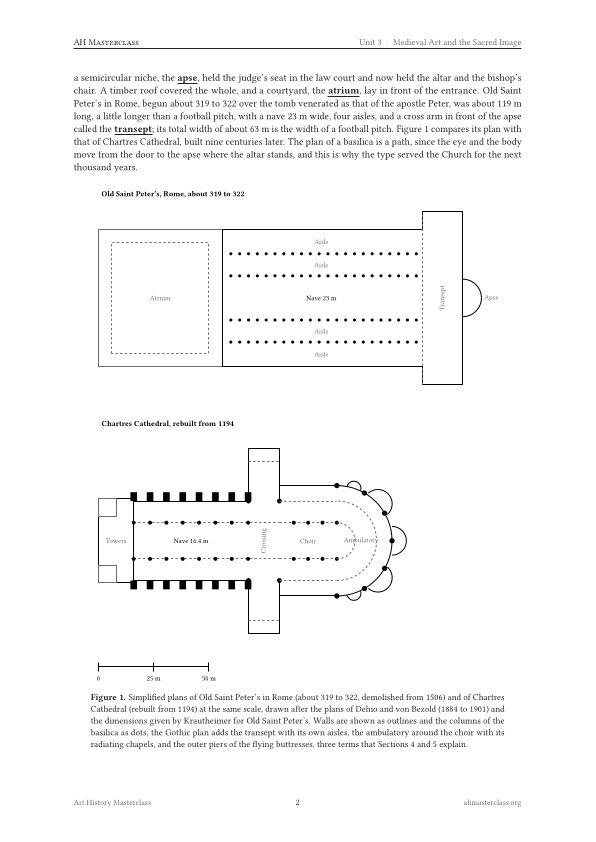
Unit 3 looks at its works as closely as you have just looked at The Starry Night. Read the complete unit before you enrol, exactly as participants receive it: the full text with its close readings, details, and sources.

Unit 3, 22 pages, about 80 minutes of reading

Medieval Art and the Sacred Image

The unit follows Christian art from the catacombs and the basilica to the threshold of the Renaissance. Byzantium brings Hagia Sophia as a building of light and sound, the icon and what it claims, and the Iconoclasm of 726 to 843 with the arguments on both sides. The Book of Kells is read as a made object from the calf's skin to the last spiral, Romanesque pilgrimage churches and portals lead to Gothic, and the unit shows why the wall of Chartres could become glass. It closes with the altarpiece, Giotto's Arena Chapel, and the question that runs through it all: what an image is for, and who may make or destroy one.

Unit 3 opens with six questions

  1. What is an icon, and why did Byzantine Christians destroy and then defend images?
  2. How was Hagia Sophia built to make light and sound part of worship, and what did its visitors say they experienced?
  3. How was a page of the Book of Kells made, from the calf's skin to the last spiral, and what does the Chi Rho page show?
  4. Why could a Gothic cathedral have walls of glass where a Romanesque church had walls of stone?
  5. What did a stained glass window and a sculpted portal teach, and to whom?
  6. How does Giotto's Arena Chapel differ from the icons and mosaics before it?

Academic community

Masterclass participants come from all over the world, and when you complete the program you stay part of a network that keeps you close to art and its history.

Students of art in our community
2500+
Countries represented
90+
Schools and universities represented
370+

Atelier-Connect

Our alumni program introduces former participants to one another across countries: for study advice, exchange about university applications and museum internships, and shared projects.

Opportunities

Past participants hear from us about scholarships, essay competitions, summer schools, museum programs for young people, and other academic opportunities in art history.

A place in the field

The program shows you how art historians, curators, and conservators work and where, so that your next step at school, at university, or in a museum is an informed one.

The academic community

Frequently asked questions

Who is this program for?

For high school students, university students, and lifelong learners. High school students use it to arrive at university able to write about a painting, as support for AP Art History and A level History of Art, and as material for an Extended Essay, an EPQ, or a personal statement. University students in art history, history, architecture, design, classics, or museum studies take it next to their degree, to fill a period they have not covered or to prepare a first essay on a single work. Lifelong learners, among them many who plan their travels around museums or paint themselves, use it to find out why a famous picture is famous. The Foundation masterclass suits a first contact with the subject; the Advanced masterclass goes on to China and Japan, Islamic art, the museum, and art since 1945.

What do I need to know before I start?

Nothing about art and no foreign language. Unit 1 teaches the four questions every later unit uses: what do I see, what does it show, how was it made, and how do we know. It explains the vocabulary of composition, colour, and light, how a subject and its symbols are identified, the materials from egg tempera to bronze, and how signatures, contracts, and provenance place a work in its time. The little mathematics there is (the proportions of a body, the construction of a perspective floor, the price of an ounce of blue) uses school arithmetic, and every step is shown.

How much time does a week take?

Most participants spend about four hours on a unit: reading the text, working through the Close Looking boxes with their details, looking at the works in the open collections the unit links to, and taking the quiz. The further reading is optional and can take as long as you like. The units of the Advanced + Contemporary Art masterclass take a little longer, because most of the works they discuss cannot be reproduced and are described and linked instead, so you spend more time on the museums' own pages.

Can I finish the program in less than 12 weeks?

Yes. A new unit is scheduled for every Monday, but once you have submitted the quiz of a unit you can ask for the next one ahead of schedule, from your dashboard or from the email we send you. The earliest moment is 24 hours after the previous unit was sent. We recommend the weekly rhythm, because looking needs time, but the pace is your decision.

What happens if I fall behind or have to pause?

Nothing is lost. The next unit is only sent once you have submitted the quiz of the current one, so the program waits for you. You can pause for a week or for a term and continue at any time. There is no penalty and no deadline.

How does the final exam work?

After the last unit you sit the final exam online: 50 multiple-choice questions across all units of your masterclass, drawn individually for each participant, with a time limit of 60 minutes. It is open book. You pass with 70% correct answers. If you do not pass, you can try again after 3 days with new questions, up to 3 attempts in total.

All questions

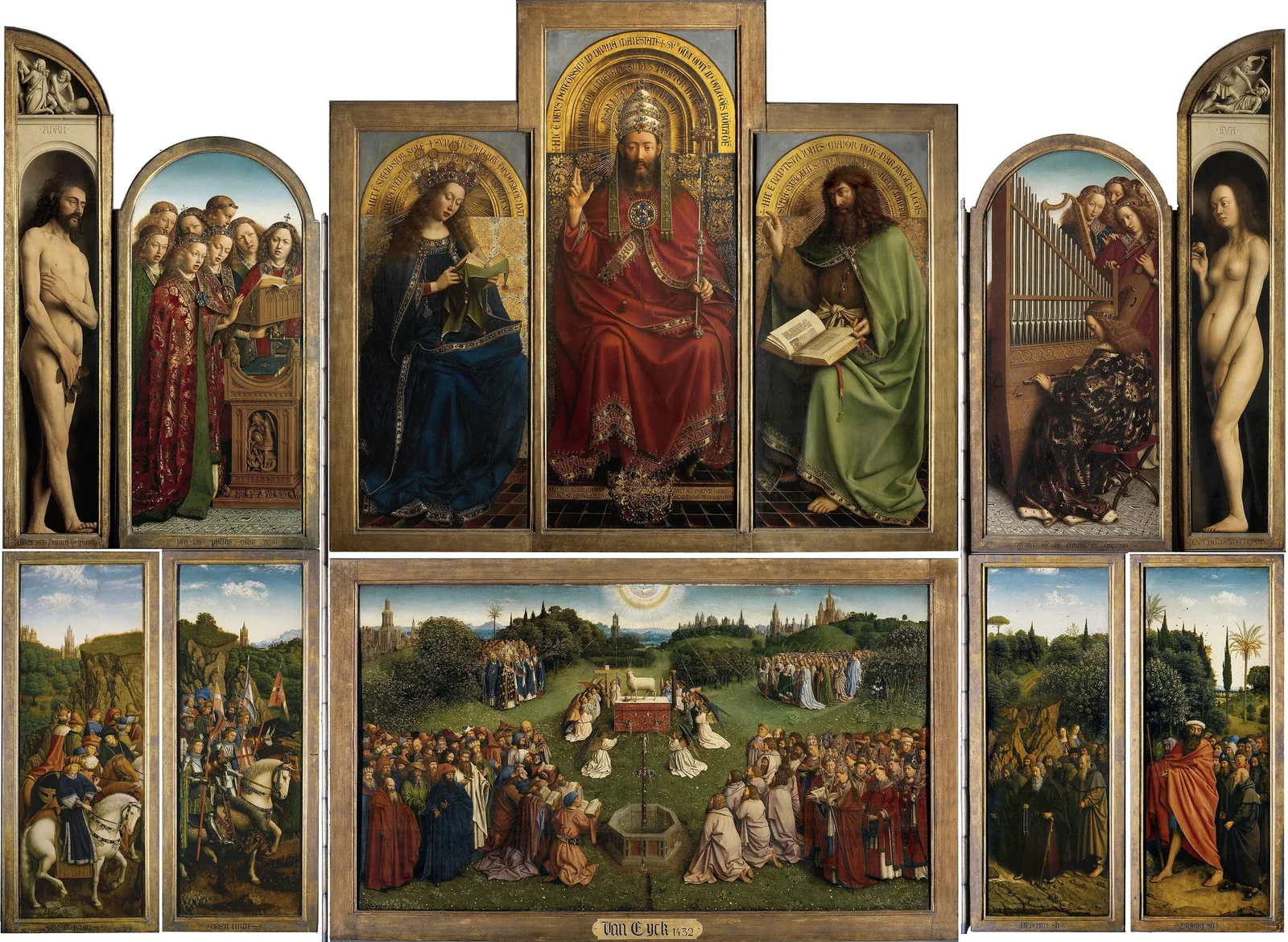
Hubert and Jan van Eyck, The Ghent Altarpiece, completed 1432, open, with the Adoration of the Mystic Lamb in the lower centre. St Bavo's Cathedral, Ghent
Hubert and Jan van EyckThe Ghent Altarpiece, completed 1432St Bavo's Cathedral, GhentPublic domain, Wikimedia Commons

Begin your 12 weeks with the history of art