
Research presented in the program
Established art history is the foundation. The research spotlights show what is being built on it now: each unit presents the published work of a leading art historian, curator, or conservation scientist and links to the original paper.
The scientists named here are not contributors to the AH Masterclass, are not affiliated with it, and have not endorsed it. The program presents and explains their published research, with references to the original papers.
Research spotlights
Jennifer L. Roberts
Slow looking and the value of long attention in front of a single work
Giovanni Verri
Conservation science, imaging of the lost colours of ancient sculpture
Bissera V. Pentcheva
How Byzantine and medieval images were experienced in light, sound, and movement
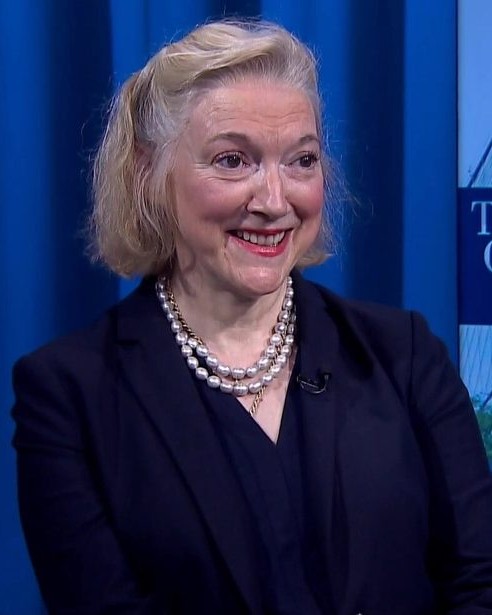
Carmen C. Bambach
Leonardo's drawings and notebooks as a record of how he thought and worked
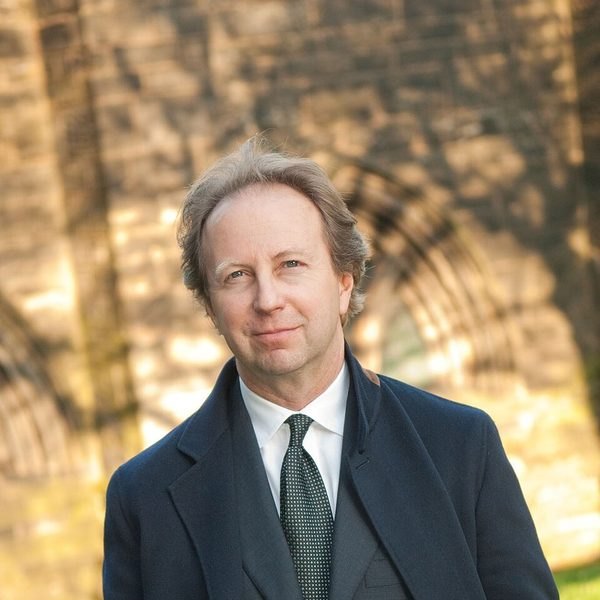
Joseph Leo Koerner
Netherlandish and German painting of the fifteenth and sixteenth centuries, from Bosch and Bruegel to Dürer
Joris Dik
Imaging methods from materials science applied to paintings
Michael F. Marmor
Ophthalmology; what eye disease can and cannot explain in an artist's work
Béatrice Joyeux-Prunel
The global history of the avant-gardes and the history of art history
Henry D. Smith II
History of Japan; the Edo print and the pigment trade through Nagasaki
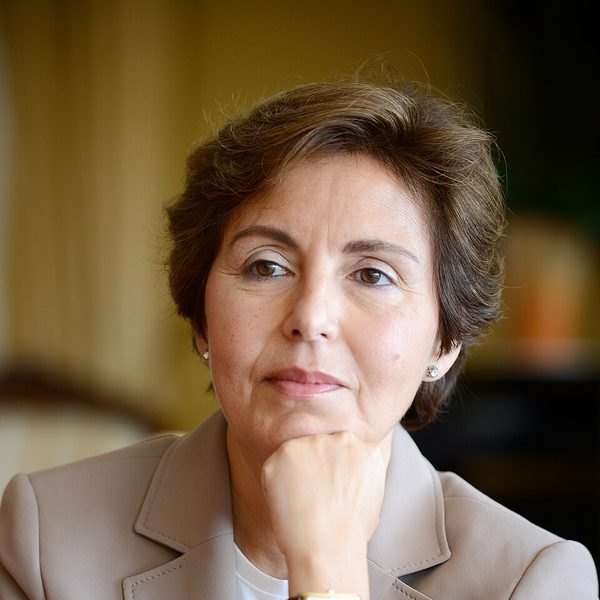
Gülru Necipoğlu
Islamic art and architecture; how geometric ornament was designed and transmitted
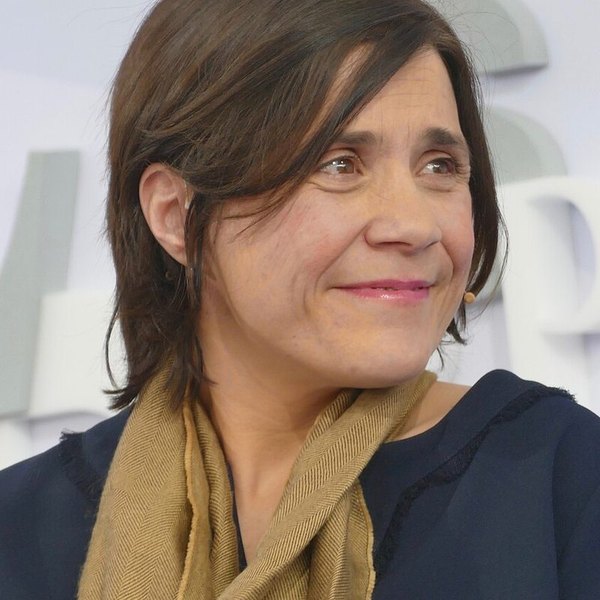
Bénédicte Savoy
The movement of works of art through conquest, collecting, and restitution
Roberto Zenit
Fluid mechanics; the physics of artistic painting
Anna Lovatt
Drawing and diagramming in Minimal, post-Minimal, and Conceptual art
Amelia Jones
Performance and body art; the relation between a performance and its documentation
Caroline A. Jones
Modern and contemporary art, biennials, and the aesthetics of experience
Lev Manovich
Computer vision as a new language for describing images in the humanities
Science is something people do
A formula can look as if it had always been there. The spotlights show that the questions are open, that the methods of each unit are in use today, and who is using them. For every unit you also receive a reading list with further papers that are free to read.