
How to look at a painting
Why museum visitors spend half a minute in front of a picture and what three hours find, and how to describe a work before interpreting it. How a perspective floor is drawn, what a contract of 1485 says about the price of blue, and the other tools of Unit 1 that the later units build on.
Articles
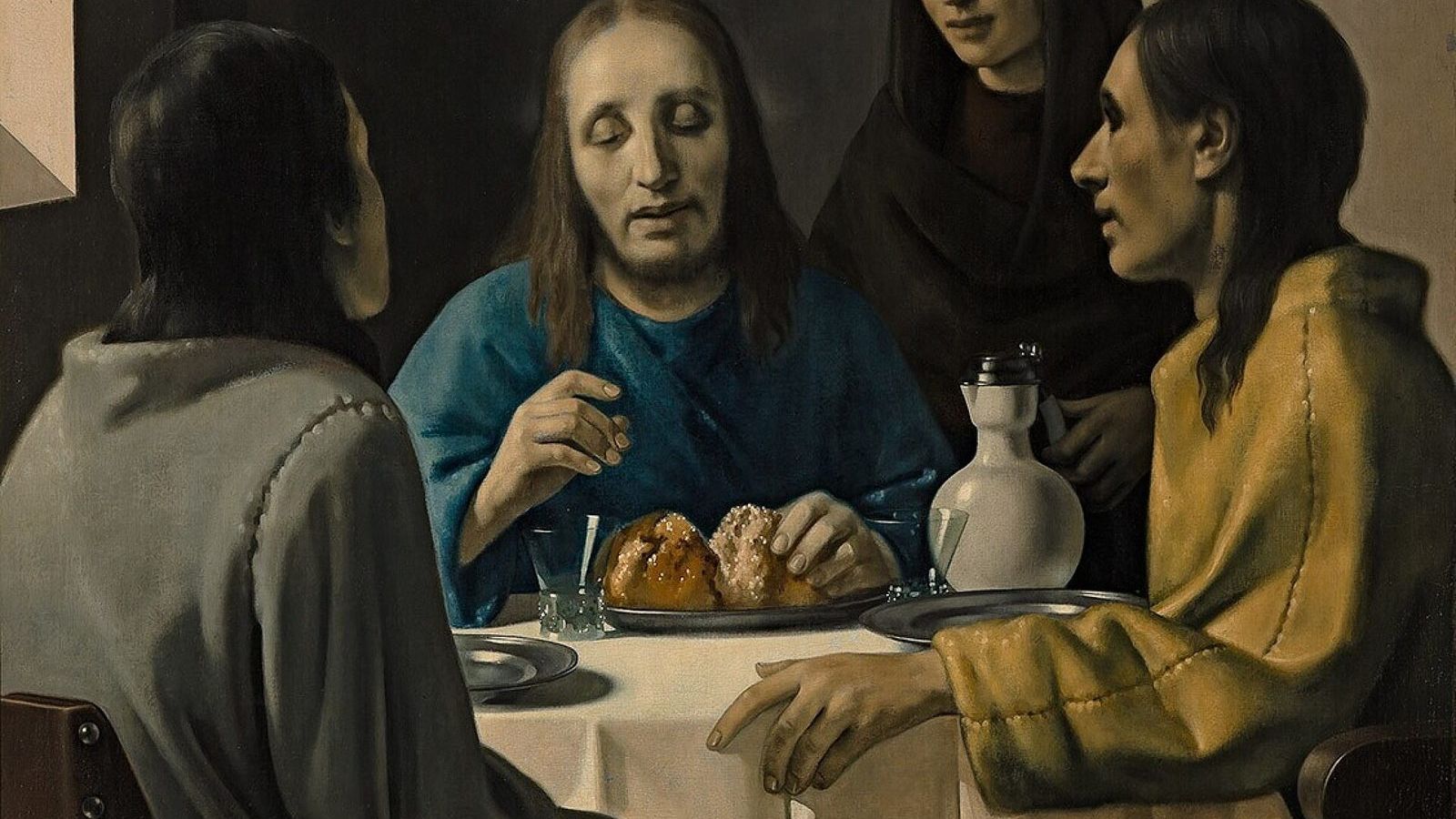
How Han van Meegeren fooled the experts
In 1937 the greatest Vermeer scholar of his day announced a new Vermeer, and a Rotterdam museum paid a fortune for it. Eight years later the man who painted it confessed, and had to paint another one in a police cell to be believed.
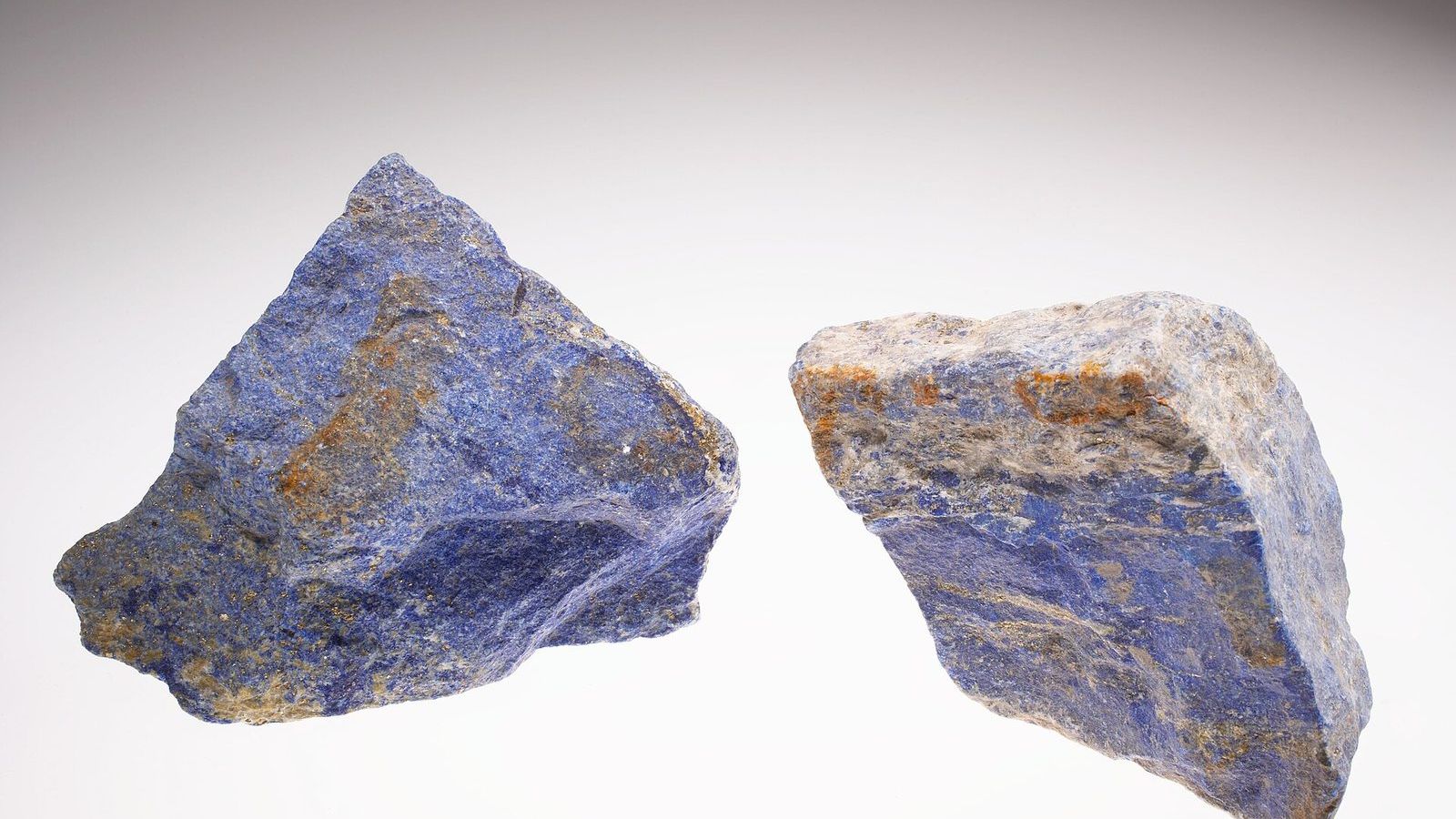
What a Renaissance contract says about the price of blue
On 28 October 1485 a Florentine painter signed a contract for an altarpiece. It fixed the delivery date, the fee, and the price of the blue, ounce by ounce. Here is what the document says and what it tells us about how paintings were valued.
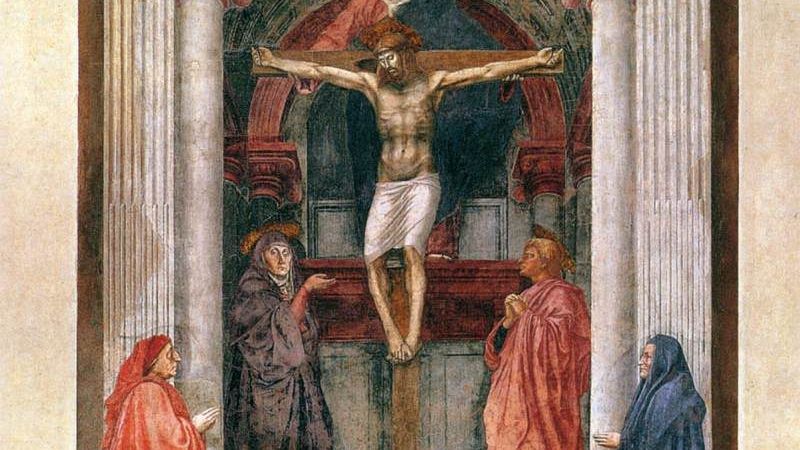
How Alberti's perspective works, with a ruler
In 1435 Leon Battista Alberti wrote down a construction that turns a flat panel into a window. It takes a ruler, a horizon, and two points. Here it is step by step, checked against Masaccio's Trinity in Florence.
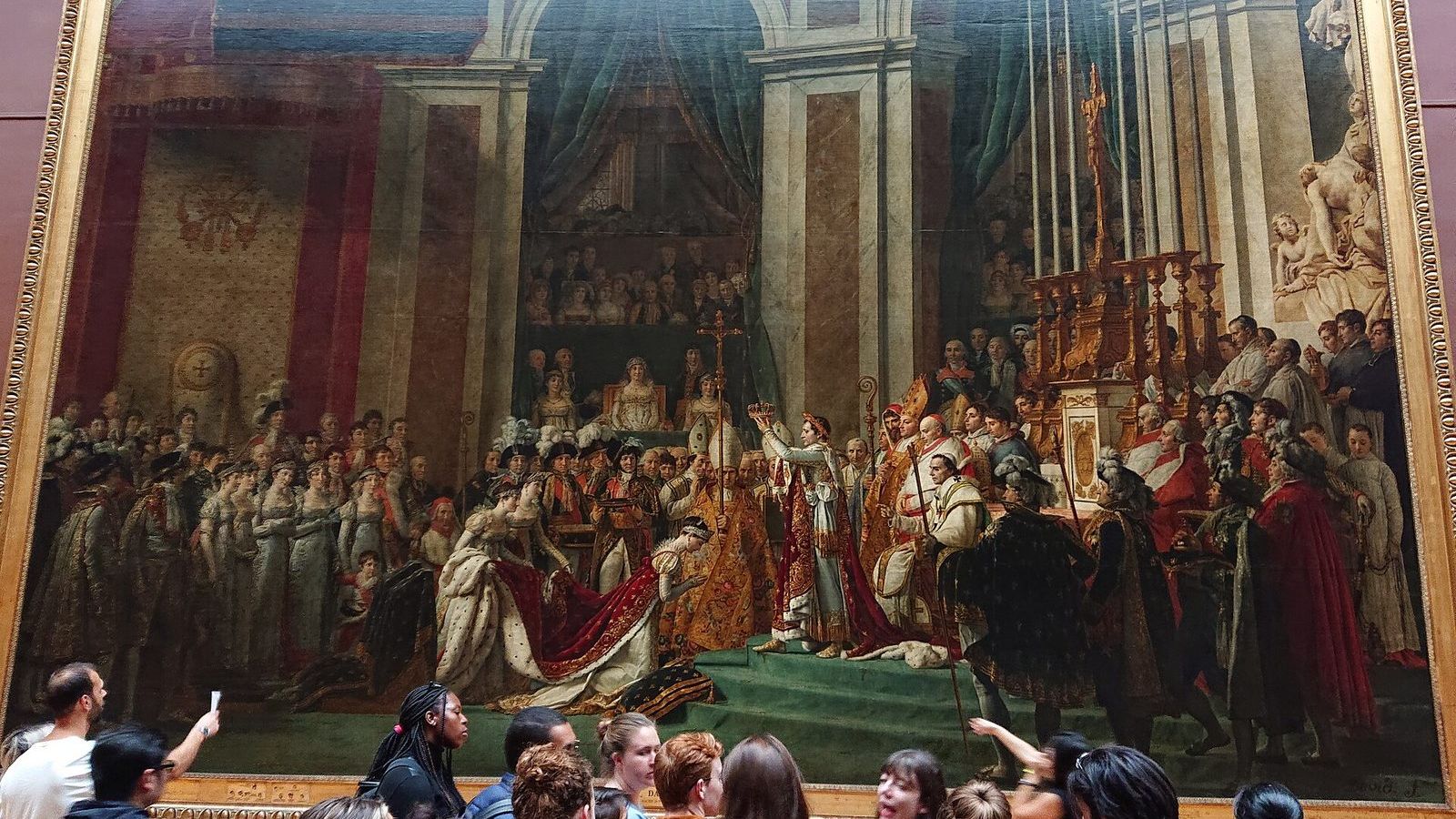
How to look at a painting for an hour
Museum visitors spend about half a minute in front of a painting. A Harvard professor makes her students spend three hours. Here is what the numbers say, what the three hours find, and a method you can use on your next visit.
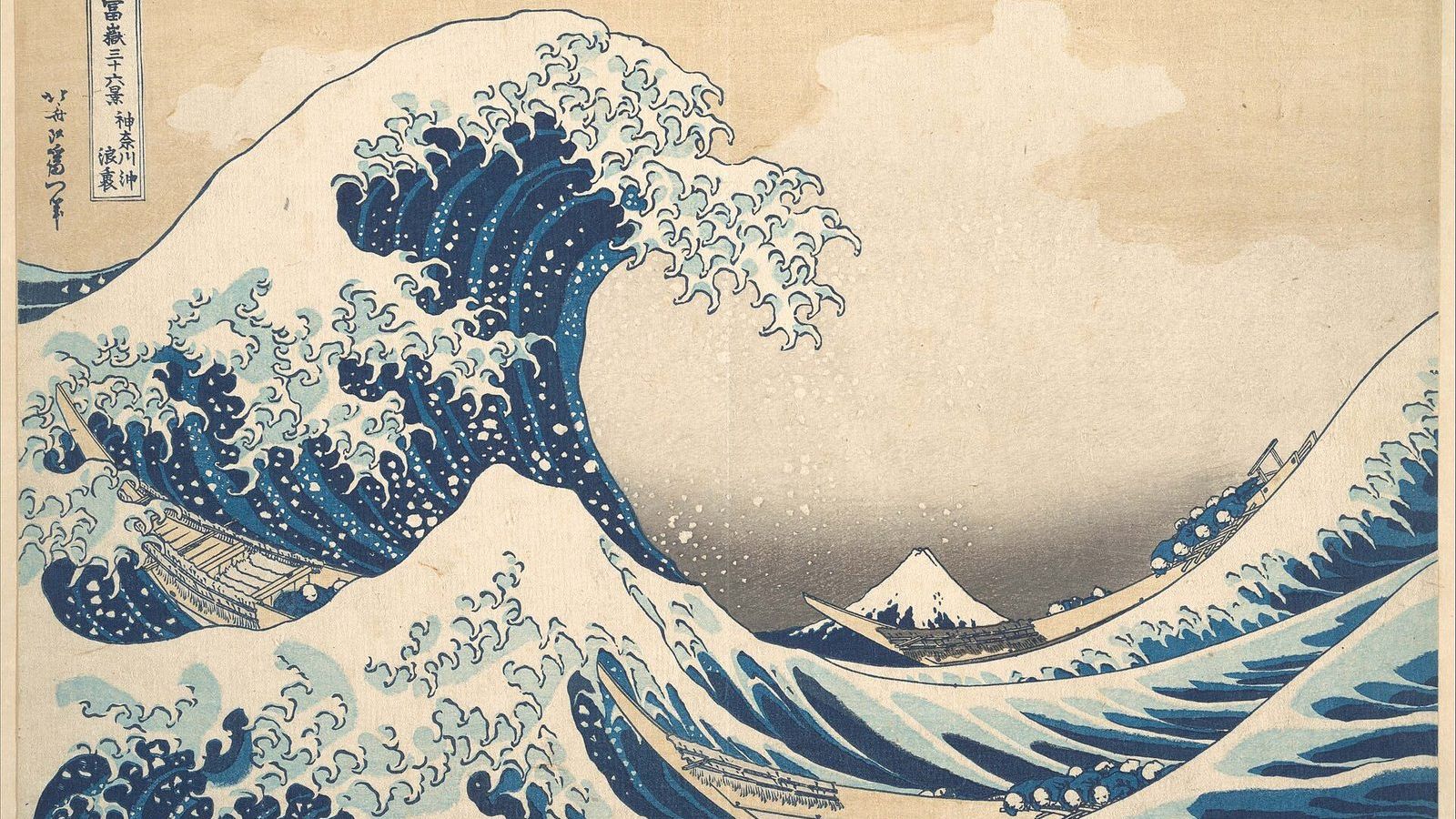
How Prussian blue made the Great Wave
The blue of Hokusai's most famous print was invented by accident in Berlin about 1706, reached Japan by ship, and set off a fashion for all-blue prints in the early 1830s. A historian traced the route through a fan print of 1829.
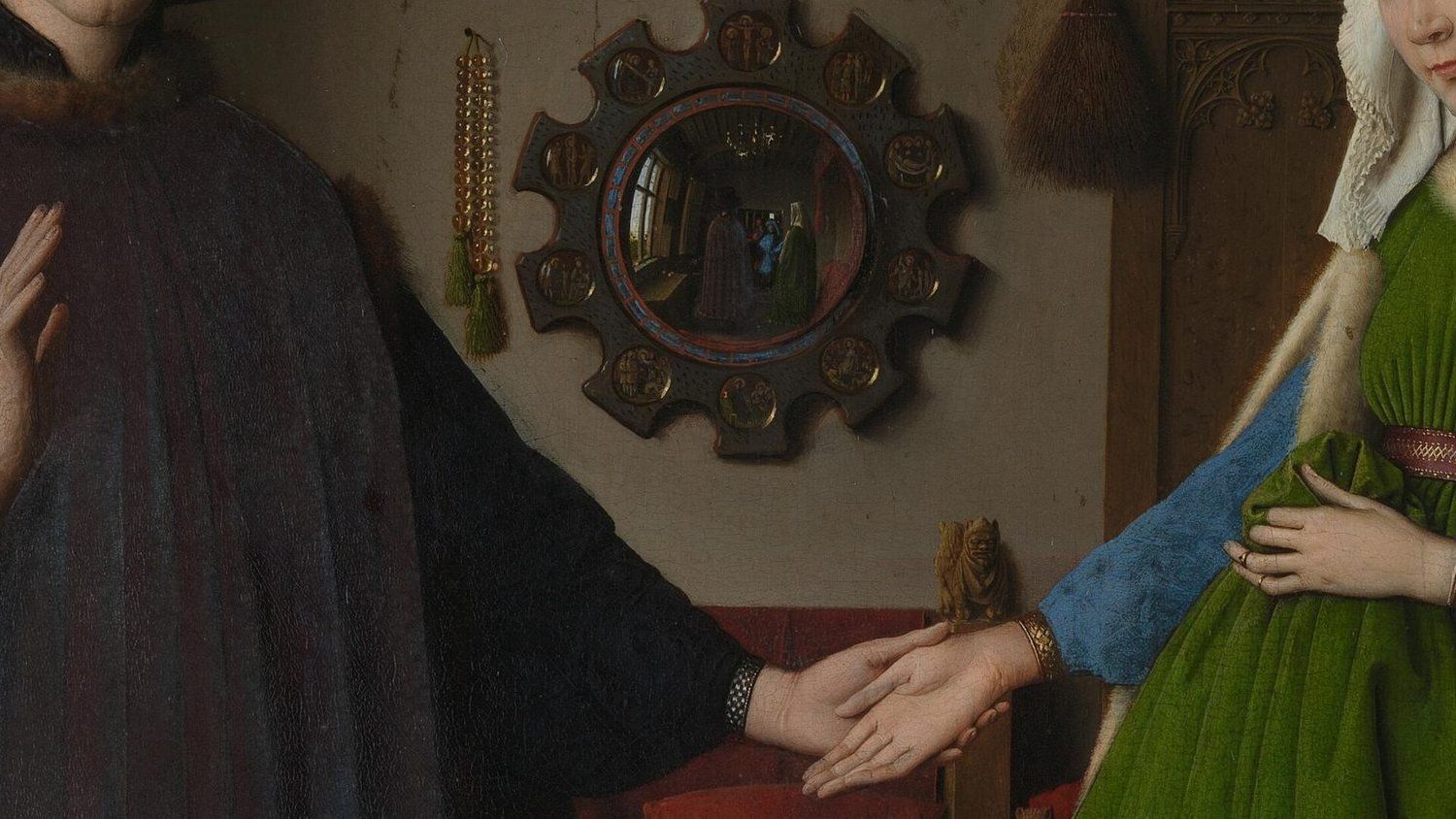
What the mirror in the Arnolfini Portrait shows
A convex mirror the size of a saucer, ten scenes of the Passion around its frame, two visitors in a doorway, and a signature above it. Here is how to read the most argued-over detail in Netherlandish painting.
In the masterclass
The Tools of Art History
Looking slowly, the four questions, and how a work of art is described, dated, and cited
The Italian Renaissance
Florence and Rome from Giotto to Raphael, through the works and the workshop
Patrons, Collectors, and Museums
Who paid for art, who kept it, and how the museum came to decide what we see