
AH Masterclass Blog
Explanations, background, and advice for curious students.
Latest articles
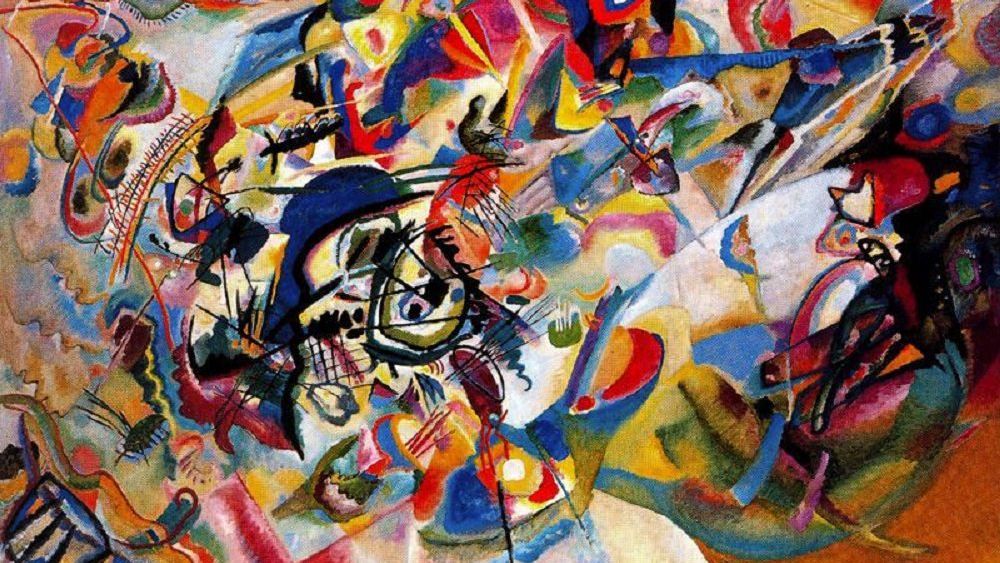
Who painted the first abstract picture?
Kandinsky in 1910, say the textbooks. Hilma af Klint in 1906, say the museums now. Malevich in 1915, says anyone who wants a square. The answer depends on what abstract means, and on a date that was probably altered.
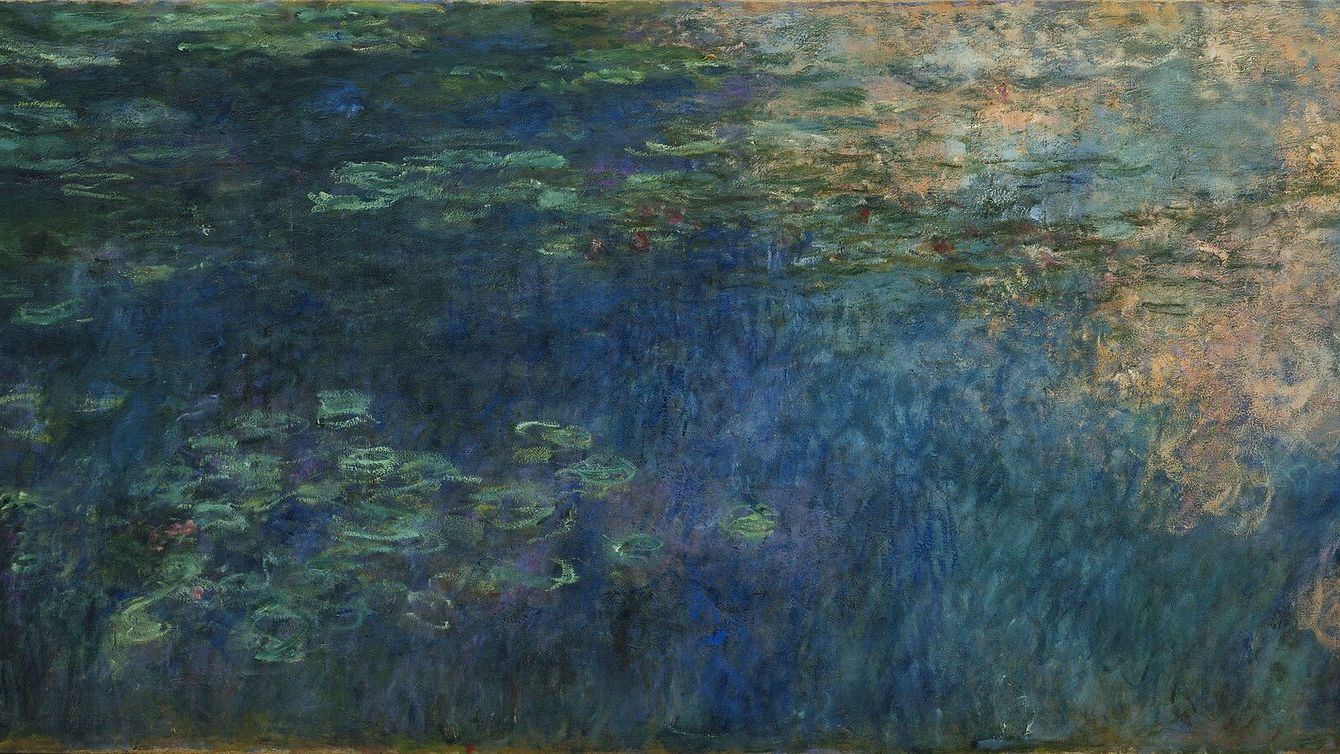
Did Monet's cataracts change his colours?
In his last decade Monet's water lilies turned brown, red, and muddy, and after an eye operation in 1923 they turned blue. An ophthalmologist simulated what he saw. Here is what the simulation shows and where it stops.
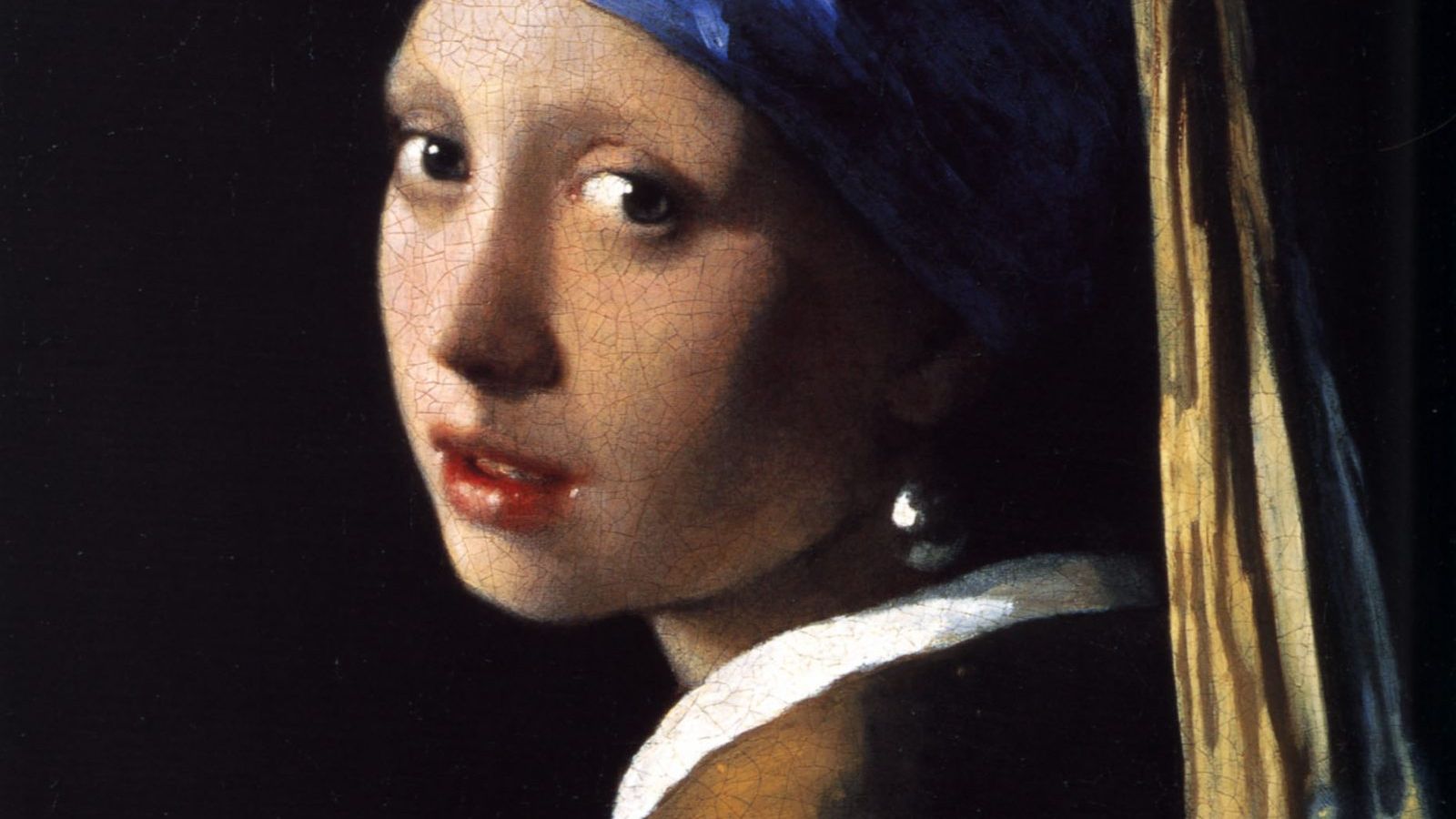
How a Vermeer was examined without touching it
In February 2018 the Mauritshuis put Girl with a Pearl Earring in a glass studio and let scientists scan it for two weeks. They found a green curtain, eyelashes, and a pearl that is not a pearl. Here is what the instruments did.
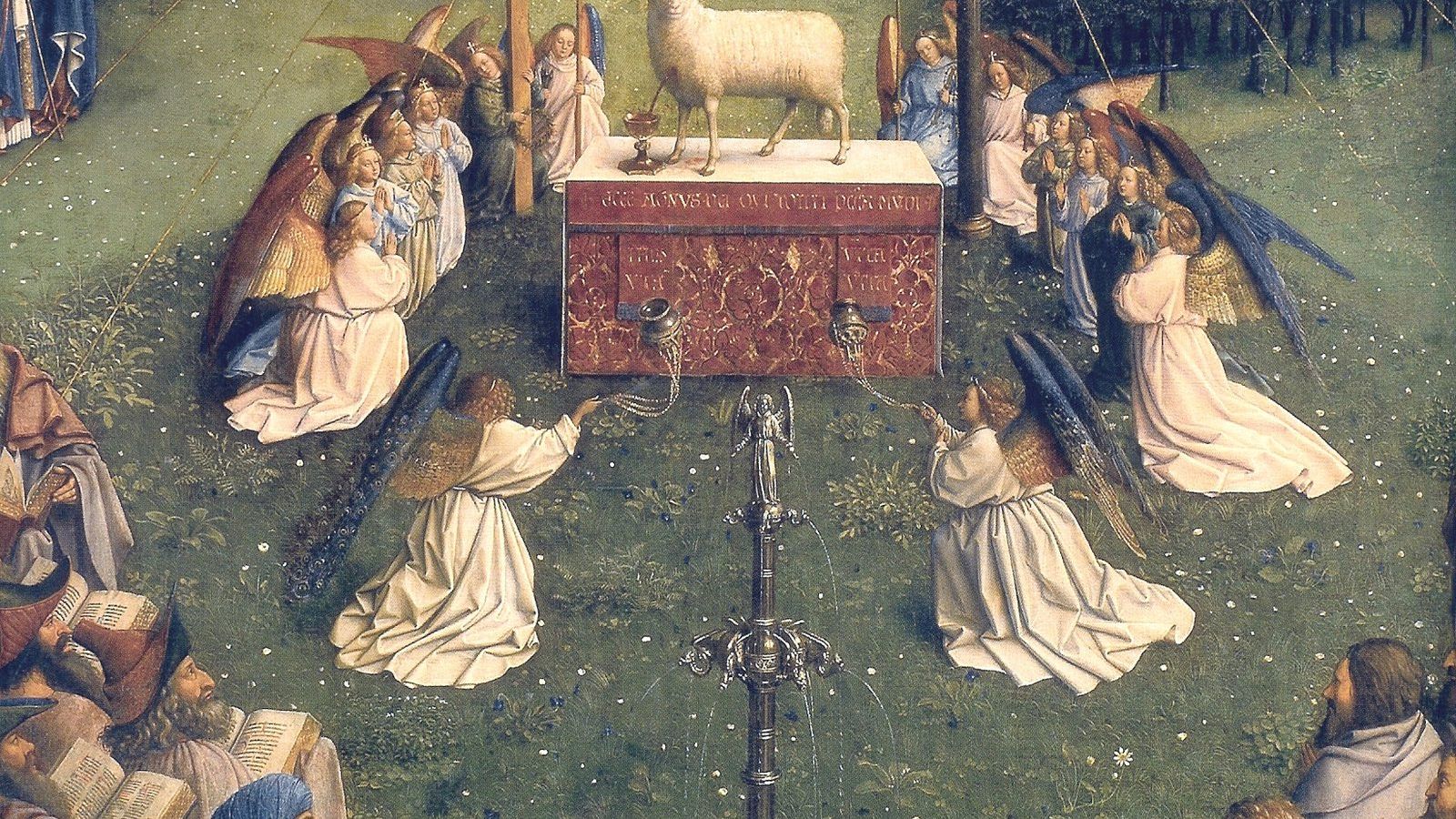
The Lamb in the Ghent Altarpiece looks back
For four centuries the Lamb at the centre of the Van Eycks' altarpiece had the placid face of a sheep. In 2019 conservators removed the sixteenth-century overpaint and found the face the brothers painted, with two forward-looking eyes.
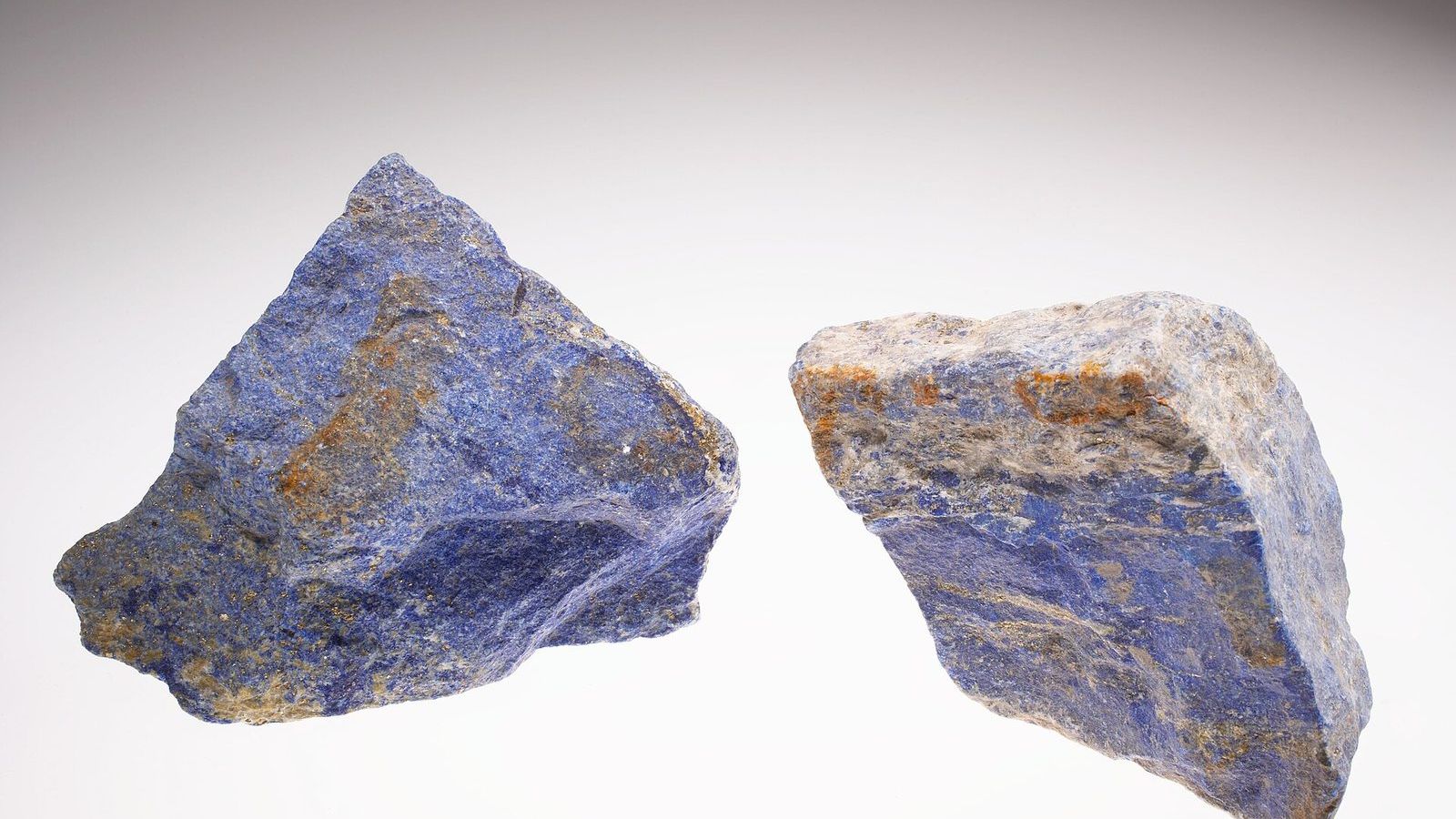
What a Renaissance contract says about the price of blue
On 28 October 1485 a Florentine painter signed a contract for an altarpiece. It fixed the delivery date, the fee, and the price of the blue, ounce by ounce. Here is what the document says and what it tells us about how paintings were valued.
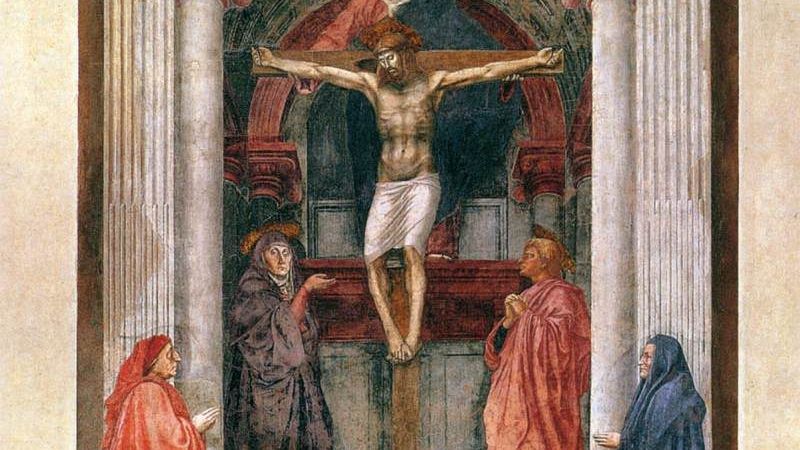
How Alberti's perspective works, with a ruler
In 1435 Leon Battista Alberti wrote down a construction that turns a flat panel into a window. It takes a ruler, a horizon, and two points. Here it is step by step, checked against Masaccio's Trinity in Florence.
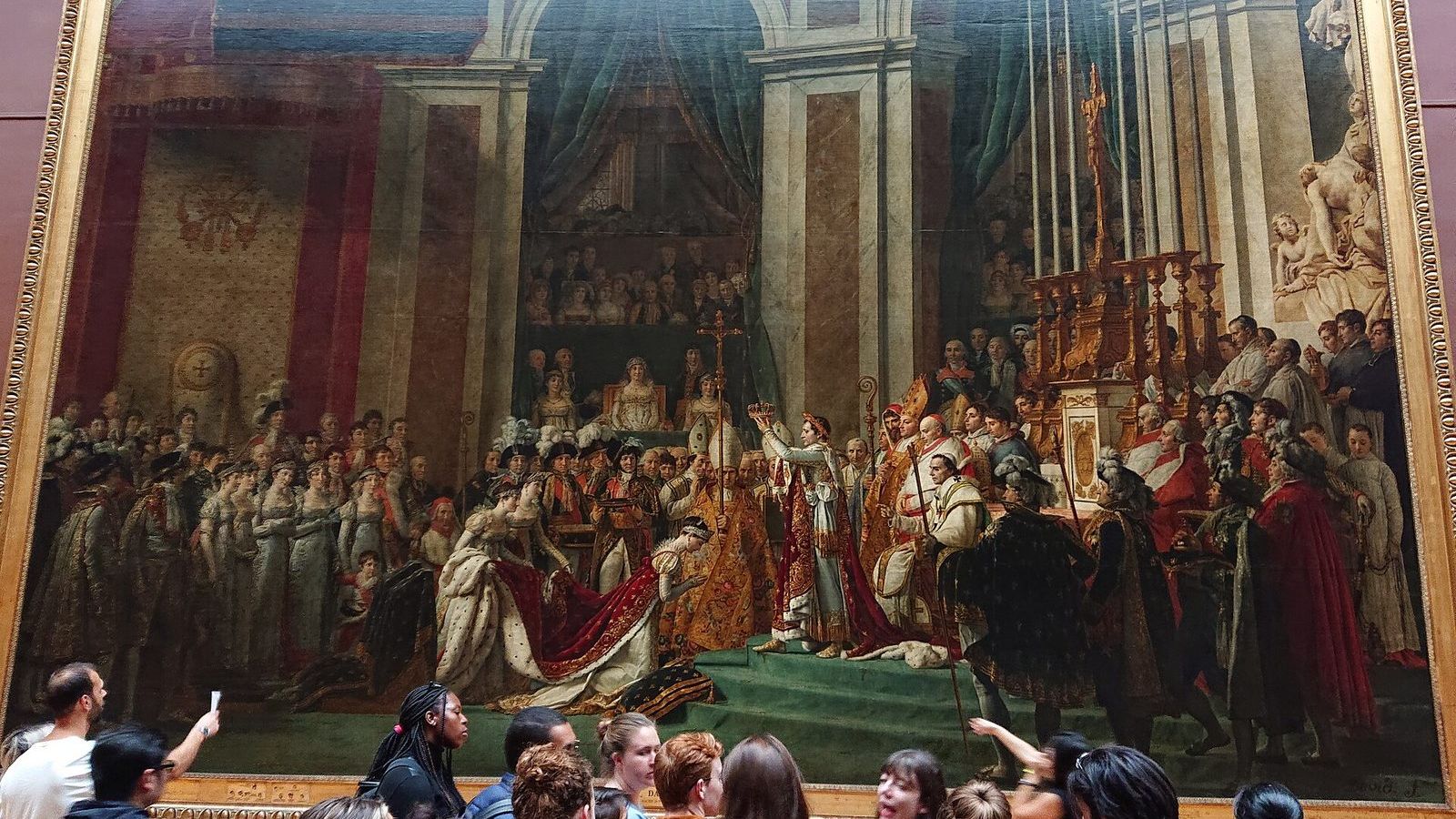
How to look at a painting for an hour
Museum visitors spend about half a minute in front of a painting. A Harvard professor makes her students spend three hours. Here is what the numbers say, what the three hours find, and a method you can use on your next visit.
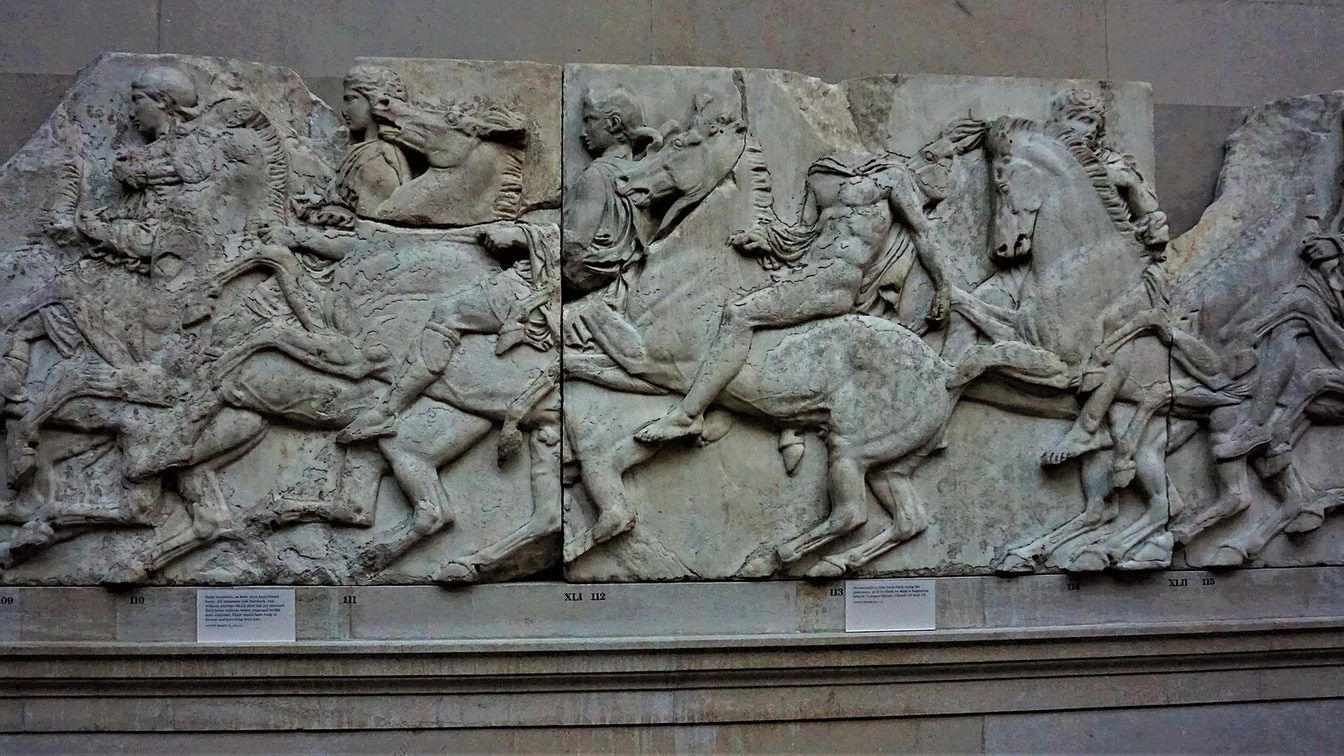
Were Greek statues white?
No. They were painted, and the proof is now visible: a pigment called Egyptian blue glows in the infrared, and in 2023 a team found it, with other colours, on the Parthenon sculptures in the British Museum.
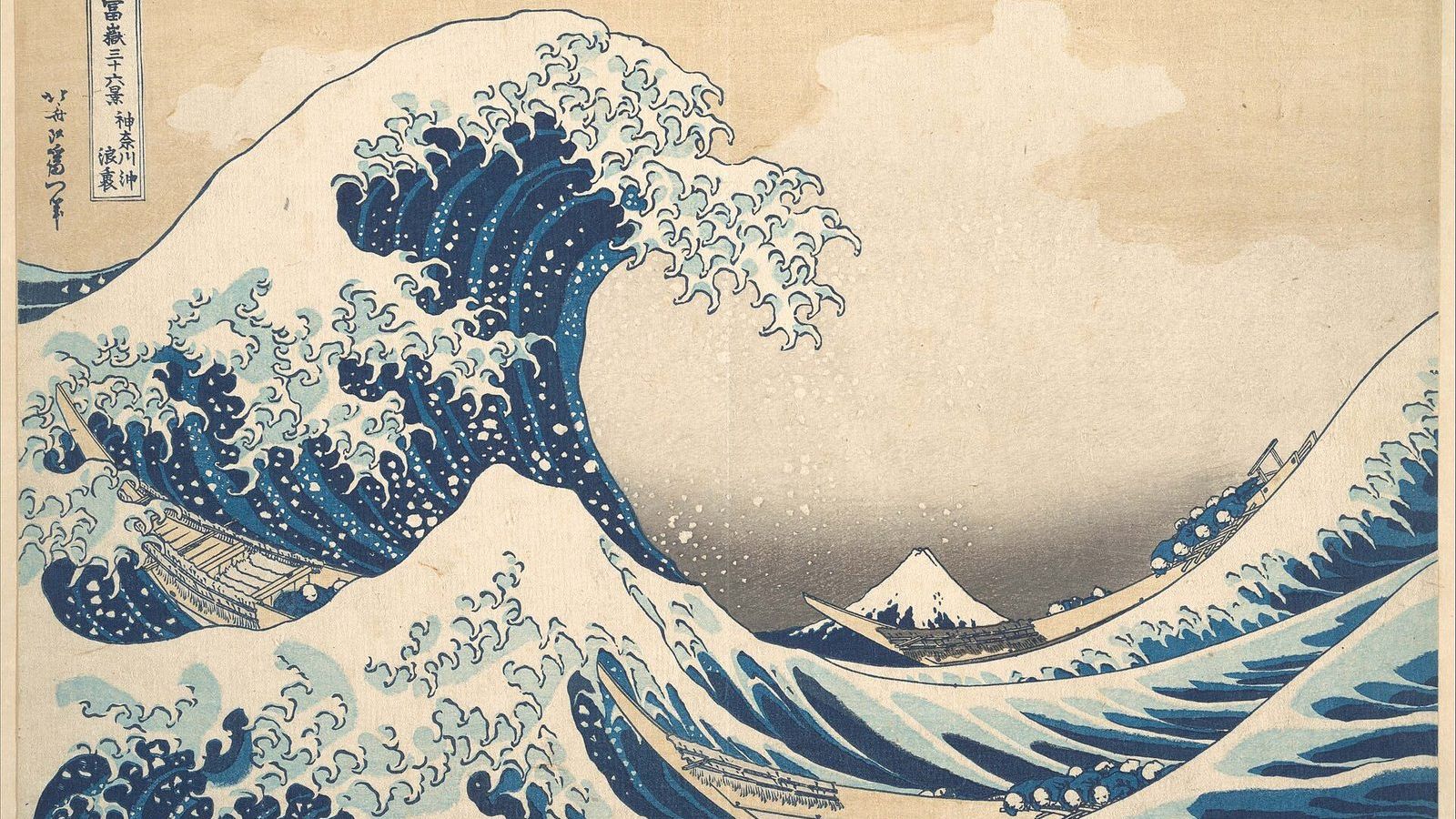
How Prussian blue made the Great Wave
The blue of Hokusai's most famous print was invented by accident in Berlin about 1706, reached Japan by ship, and set off a fashion for all-blue prints in the early 1830s. A historian traced the route through a fan print of 1829.