 Image: Johannes Vermeer, public domain
How a Vermeer was examined without touching it
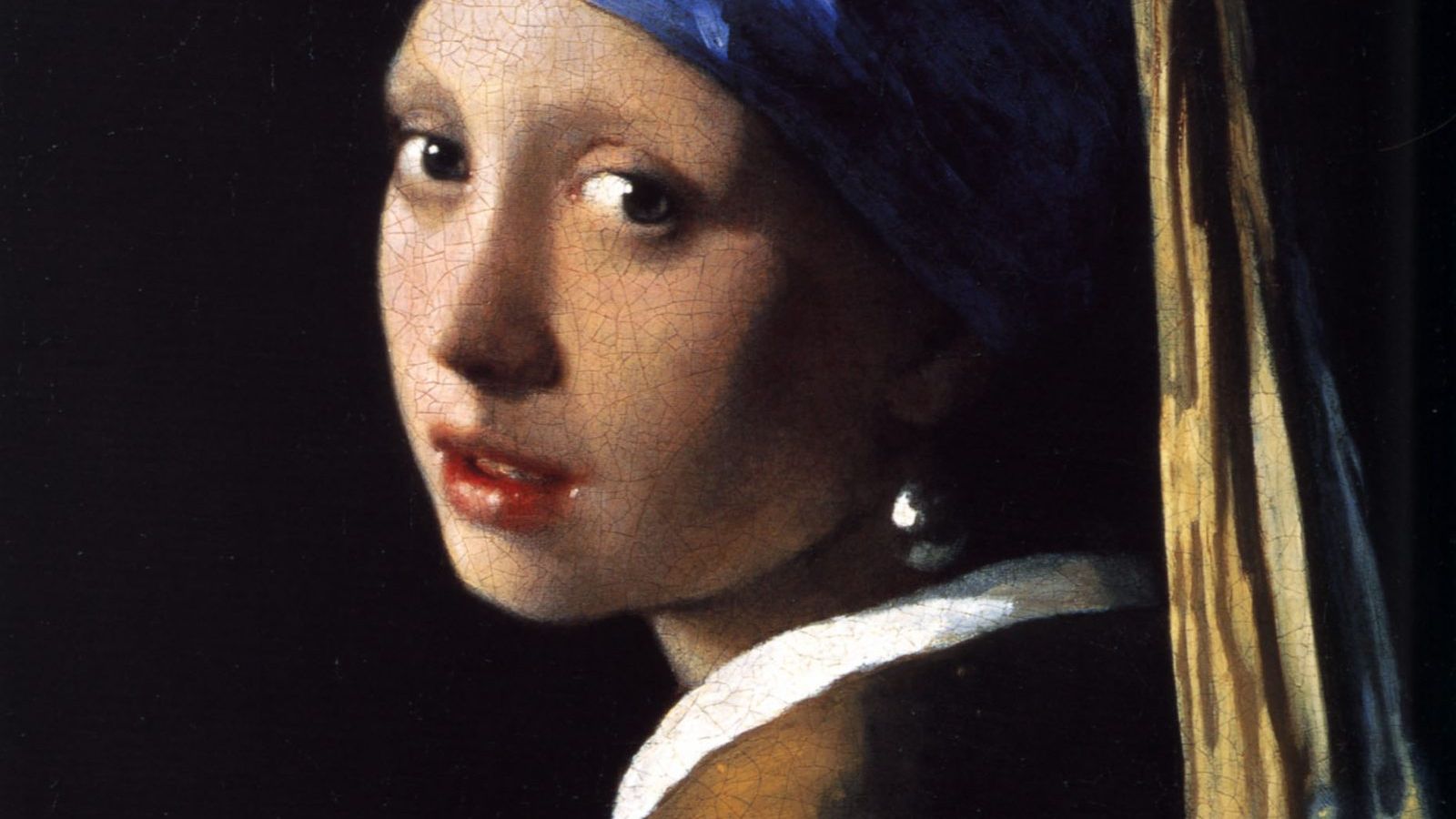
Girl with a Pearl Earring is a small painting, 44.5 by 39 cm, on canvas, painted by Johannes Vermeer in Delft about 1665. It was sold at auction in The Hague in 1881 for two guilders and thirty cents to a collector named Arnoldus des Tombe, who left it to the Mauritshuis in 1902. For a century it hung there and was admired. Between 26 February and 11 March 2018 it stood instead in a glass enclosure in the museum's galleries, surrounded by instruments, while a team led by the museum's paintings conservator Abbie Vandivere examined it in front of the public. The project was called The Girl in the Spotlight, and nobody touched the paint.
Why not just look
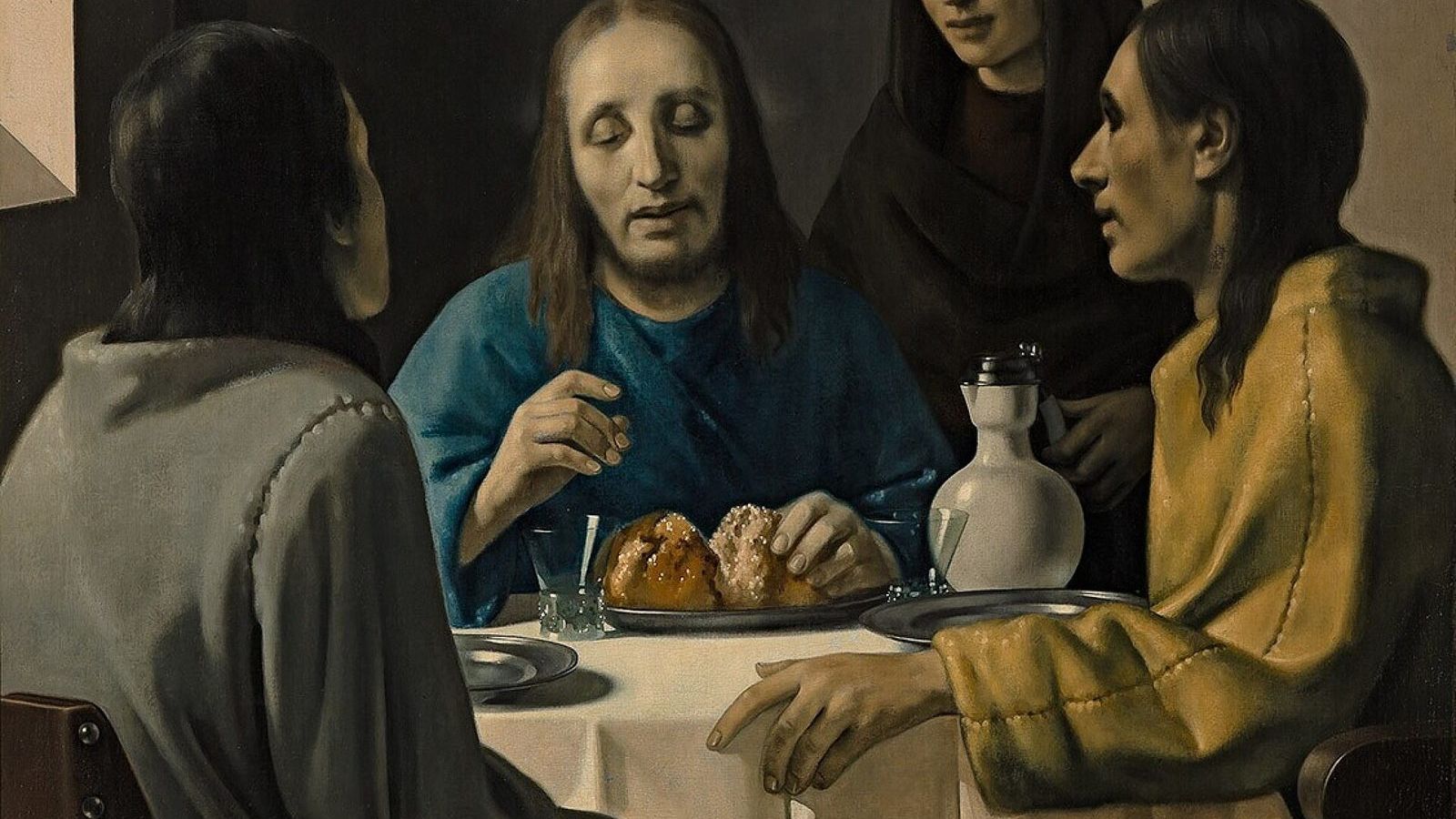
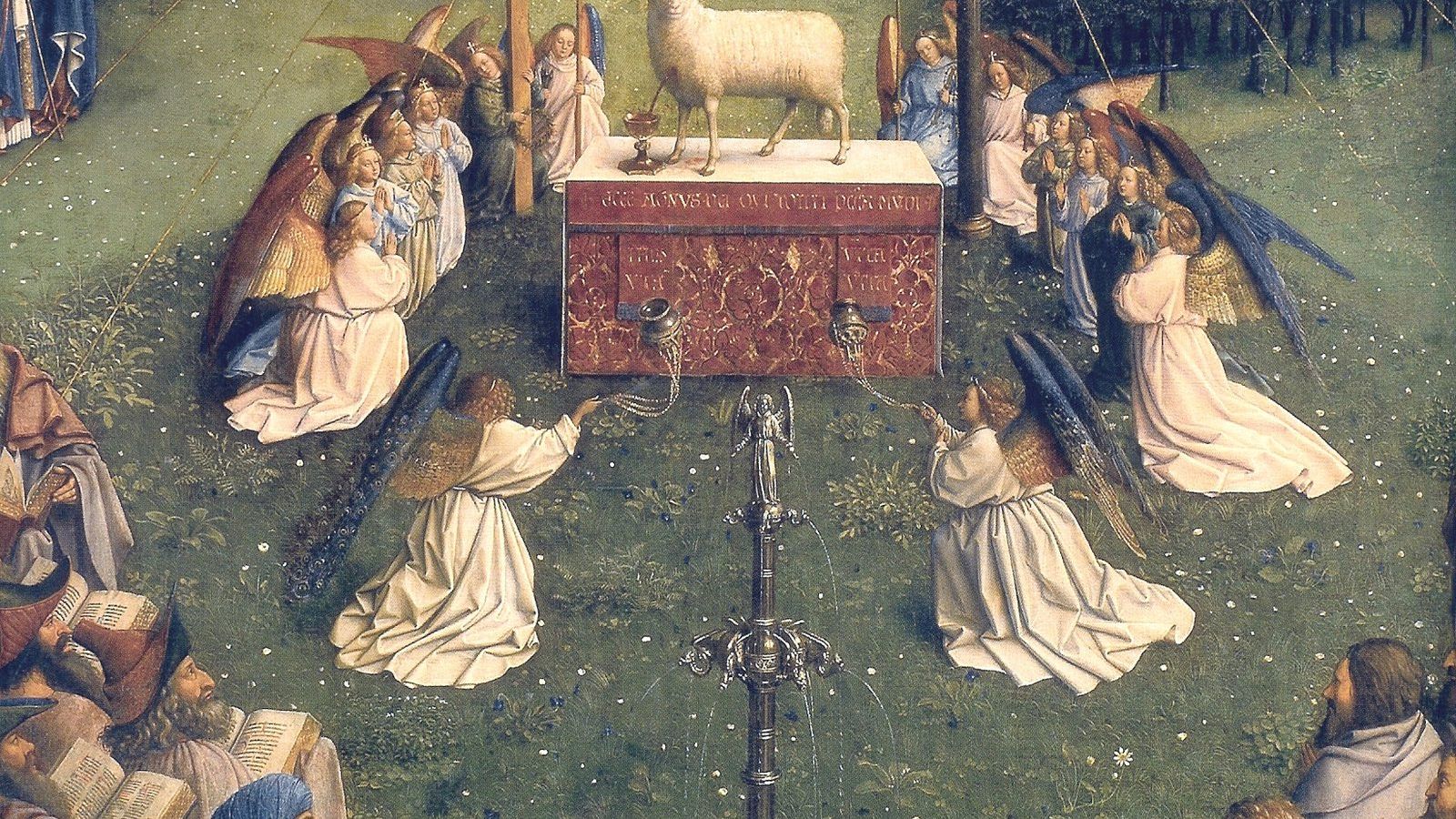
A painting is a stack: canvas, a ground layer, perhaps an underdrawing, paint layers, varnish. The eye sees the top of the stack, modified by whatever the varnish has done over the centuries. Everything below is invisible, and so is the chemistry of what can be seen. Earlier examinations of the Girl, in 1994 when the painting was restored, used X-rays and cross-sections, which require a tiny sample. The methods of 2018 require nothing. They are the same tools that Unit 1 of the masterclass introduces in two paragraphs and that Units 5 and 6 use on Van Eyck, Rembrandt, and Vermeer.
The instruments
Macro X-ray fluorescence scanning moves an X-ray beam across the whole surface, point by point, and records the elements that fluoresce under it. Lead maps the lead white, mercury the vermilion, copper the greens, calcium the chalk. The result is a set of maps of the painting, one per element, including elements in layers beneath the surface.
Reflectance imaging spectroscopy photographs the painting in hundreds of narrow bands of light from the visible into the infrared. Each pigment reflects a characteristic spectrum, and the camera finds it in every pixel, so that the painting can be mapped by pigment rather than by element. The infrared bands also pass through some paints and show what lies underneath.
Three-dimensional scanning records the relief of the surface, the heights of brushstrokes and impasto, to the micrometre. The Delft team of Willemijn Elkhuizen and Joris Dik compared three ways of doing this, using focus, fringe projection, and photometric stereo, and published the comparison in Heritage Science in 2019. All three agreed, which meant that a height map of a Vermeer could be trusted.
Add digital microscopy at high magnification across the whole surface, and optical coherence tomography, borrowed from eye medicine, which sees the varnish and the top paint layers in cross-section without a sample, and the picture had been read in more ways than any painting before it.
What was found
The findings were published as a series of open access papers in Heritage Science in 2019 and 2020, with a summary of the whole project by Vandivere and her colleagues. Several things changed what we know.
The dark background was not always a flat dark. The maps show the remains of a green curtain, painted with folds at the upper right, in a glaze of indigo and the yellow dye weld over a dark underlayer. The dye has faded and the glaze has darkened, so that what Vermeer painted as a green hanging now reads as a void. The girl sits in a room, in front of a curtain, and not in the black space of the postcards.
She has eyelashes. They are fine and had been overlooked, and the microscope found them on both eyes. The famous absence of eyebrows is partly real and partly fading.
The pearl is not a pearl. There is no hook, no ring, and no body to it, only two touches of lead white, one translucent and one opaque, that the eye assembles into a sphere hanging in air. Vermeer painted the reflection of a pearl and let the viewer supply the rest.
The underlayers show a change of mind. The position of the ear and the top of the headscarf were adjusted as the painting progressed, and a quick sketch in dark paint, visible in the infrared, laid out the composition before the colours went on.
The pigments are those of an expensive painting. The blue of the headscarf is natural ultramarine from lapis lazuli, which Unit 4 shows being priced by the ounce in a Florentine contract; Vermeer used it freely. The lips are vermilion and red lake. The flesh is built from lead white and ochres, with a surprising use of a red pigment in the shadows, and the whole is painted in layers that the cross-sections of 1994 had already partly described.
What was not found
No examination tells you who she was. She is probably not a portrait but a tronie, a Dutch term for a study of a head in costume, painted to be sold rather than commissioned, which is why there is no name attached and why the turban and the pearl are props. The project did not find a signature beyond the one already known, and it found no camera obscura, because there is nothing for an instrument to find on that question. Technical examination answers how a painting was made and sometimes when; it does not answer what it means, and the researchers were careful to say so.
Why it matters beyond this painting
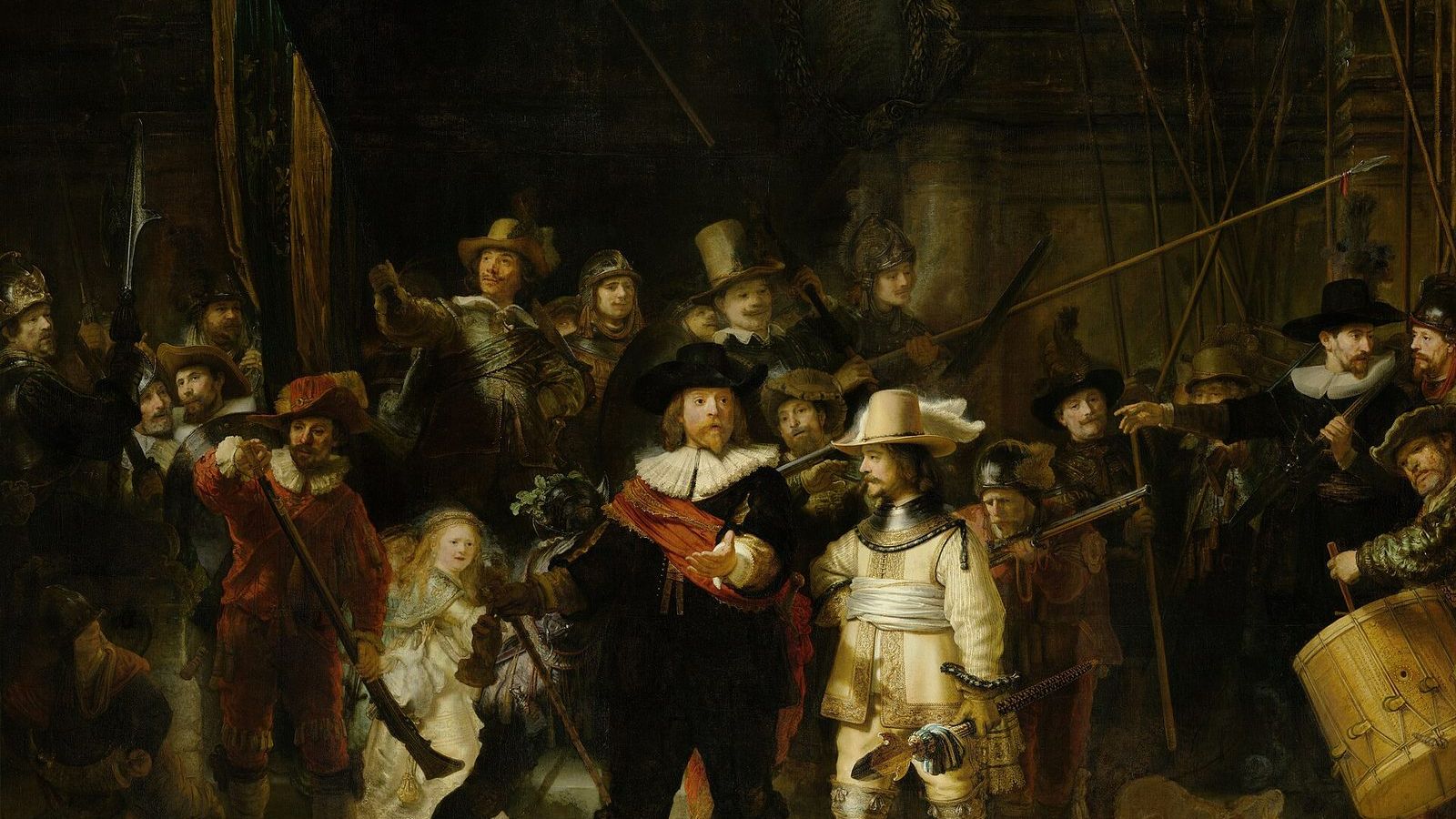
The Girl in the Spotlight was a model of how a museum can do research in public and publish it where anyone can read it. The papers are free, the images are online, and the methods are now being applied to Vermeer's other paintings and to Rembrandt's Night Watch in Amsterdam, where the same macro X-ray fluorescence scanner has produced maps of every element in a canvas forty times larger. Unit 6 of the masterclass reads the Girl's findings and presents the Delft scanning study as its research spotlight; Unit 11 returns to technical examination as the museum's way of settling what a work looks like and who painted it.
If you visit The Hague, look at the background and find the curtain. Then look at the pearl from a metre away and from ten centimetres, and watch it come apart into two strokes and back again. The curriculum of the Art History Masterclass describes the units; a companion article explains what the same methods found in the Night Watch.